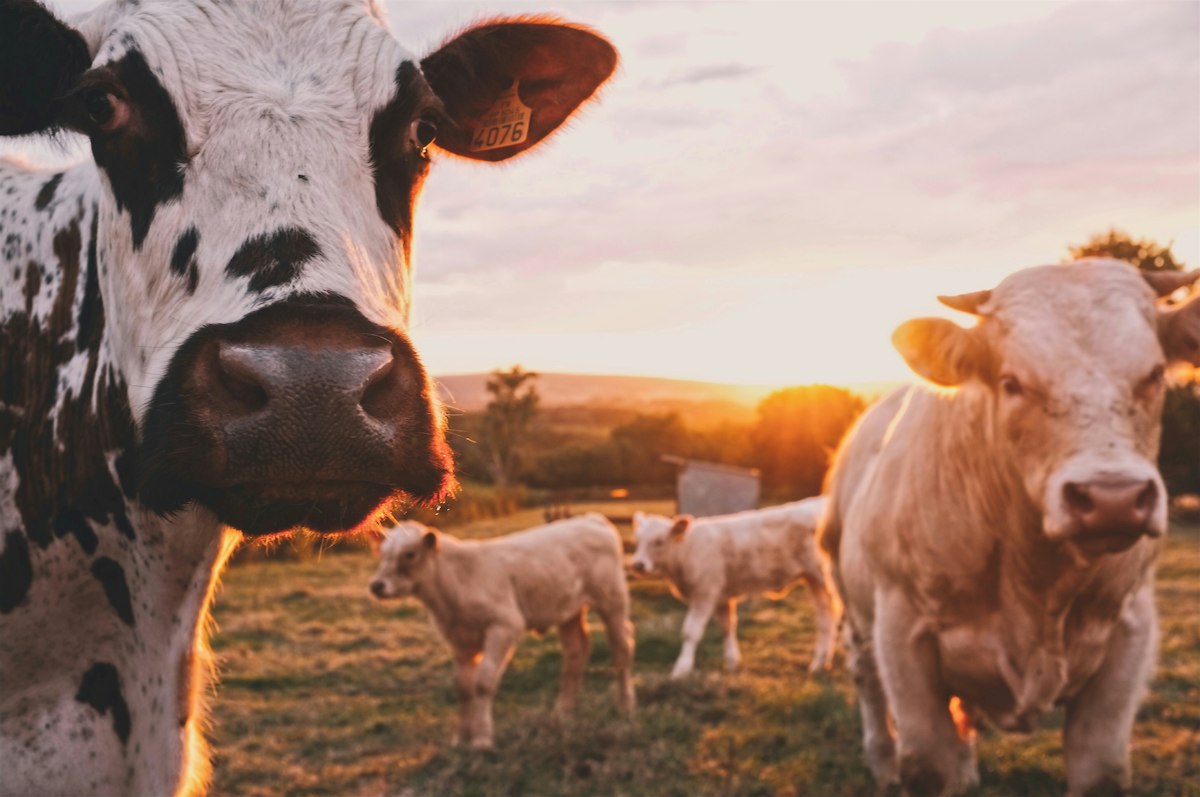
Dairy Farm
Pest Control
Flies, rodents, and stored product pests cost Wisconsin dairy operators thousands in contaminated feed, reduced milk production, and regulatory risk. We build agricultural pest management programs designed specifically for dairy operations.
Pest Pressures for Dairy Farms
Different industries face different pest threats. Here's what we see most in dairy farms throughout Northeast Wisconsin.
House Flies
House flies breed in manure, spilled feed, and soiled bedding. A single pair can produce thousands of offspring in weeks — stressing cattle, reducing feed intake, and spreading mastitis-causing bacteria.
Stable Flies
Stable flies deliver painful bites that cause cattle to bunch, stamp, and reduce feeding time. Heavy infestations directly reduce milk production and weight gain — studies show up to 20% drops.
Rodents
Mice and rats contaminate feed, chew wiring in barns and milking parlors, and spread diseases including leptospirosis and salmonella to cattle. They reproduce rapidly in warm, feed-rich farm buildings.
Stored Product Pests
Indian meal moths and grain beetles infest stored feed, TMR components, and calf starter. Infested feed loses nutritional value and can cause cattle to refuse consumption.
Cluster Flies
Cluster flies invade farm buildings in fall, seeking warmth. They cluster by the thousands in attics, wall voids, and milking parlor ceilings — creating an ongoing nuisance through winter.
Bats
Bats roost in barn lofts, silos, and farm building attics. Their guano harbors Histoplasma fungus spores and creates contamination risks near feed storage and cattle housing.
Audit-Ready Service Reports
We understand the regulatory landscape for dairy farms. Every service visit includes detailed documentation that holds up under inspection.
Built for Dairy Farms
Farm Experience
We understand Wisconsin agricultural operations — from milking parlor schedules to feed storage rotation. Our programs are built for real farm conditions, not generic commercial pest control.
Cattle-Safe Products
All products are selected and applied with cattle safety as the top priority. We use livestock-safe formulations and apply them in ways that eliminate pest pressure without exposing animals.
Feed Protection
Targeted baiting and monitoring around feed storage areas prevents rodent contamination and stored product pest infestations — protecting your most valuable input cost.
Regulatory Support
Documentation and service records that support your PMO compliance, DATCP inspections, and organic certification requirements. We understand what inspectors look for.
"Growing up in this area, I understand Wisconsin dairy operations. I know that a fly infestation isn't just annoying — it directly cuts your milk production. I know that rodents in your feed storage aren't just gross — they're contaminating your most expensive input. Farm pest control is different from residential or commercial, and it should be treated that way."
Adam brings deep agricultural knowledge to every dairy farm account, building pest management programs that understand the rhythm of farm life and the real economic impact of pest pressure on milk production.
Our Process
Farm Assessment
Full walkthrough of milking parlor, barns, feed storage, calf areas, and exterior perimeters. We identify fly breeding sites, rodent runs, and pest entry points.
Program Design
Custom program built around your operation — milking schedule, cattle movement, feed delivery, and seasonal pest pressures. Livestock-safe products only.
Treatment & Monitoring
Fly control (baits, sprays, IGRs), rodent bait stations, feed area monitoring, and exclusion work. All placed strategically to protect cattle and feed.
Seasonal Adjustments
Fly pressure peaks in summer, rodent pressure peaks in fall/winter. We adjust treatments and visit frequency to match seasonal pest cycles on your farm.
Dairy Farms FAQ
Schedule Your Free Inspection
Call us today for a free property assessment. We'll identify pest pressures, assess compliance risks, and build a program tailored to your facility.