Stinging Insects
of Wisconsin
"Is that a bee or a yellow jacket?" It is the most common stinging-insect question we get — and the answer matters. Some of these insects are aggressive pests that need professional removal; others are pollinators you should protect. Here is how to tell them apart, what they do through the seasons, and when to call us.
Call Us — Aggressive Pests
Yellow jackets, bald-faced and European hornets, and paper wasps are aggressive, sting repeatedly, and defend large nests. If a nest is near your home, deck, or play area, it is a safety risk — call us for safe, professional removal.
Wasp Nest RemovalProtect — Pollinators & Gentle Hunters
Honeybees, bumble bees, mud daubers, and cicada killers are beneficial and rarely a threat. Bees should be relocated, not exterminated; solitary wasps can usually just be left alone. We help you tell the difference and do the right thing.
Bees & PollinatorsMeet the Stingers
 Representative photo
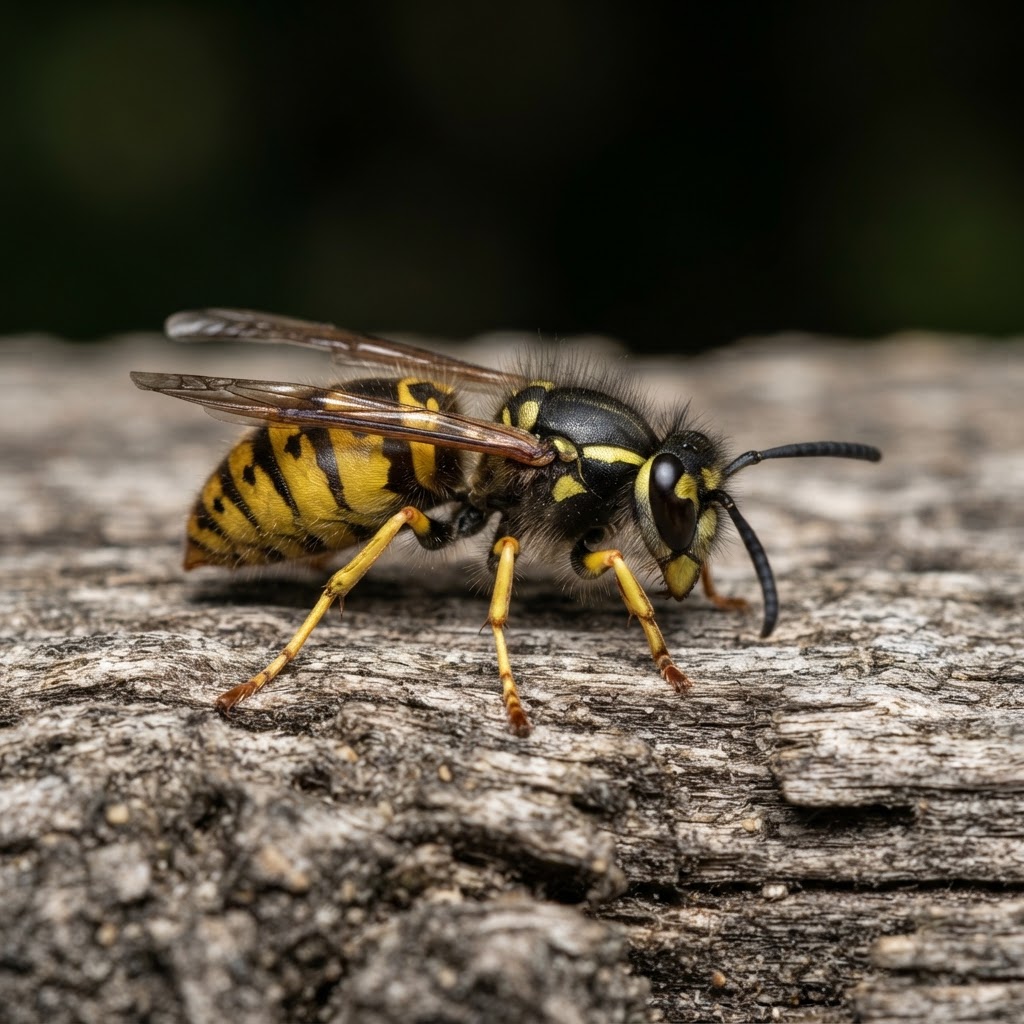
Yellow Jackets
The insect behind most "bee stings" in Wisconsin. Aggressive, can sting repeatedly, and nests in the ground, in walls, and under eaves.
View Profile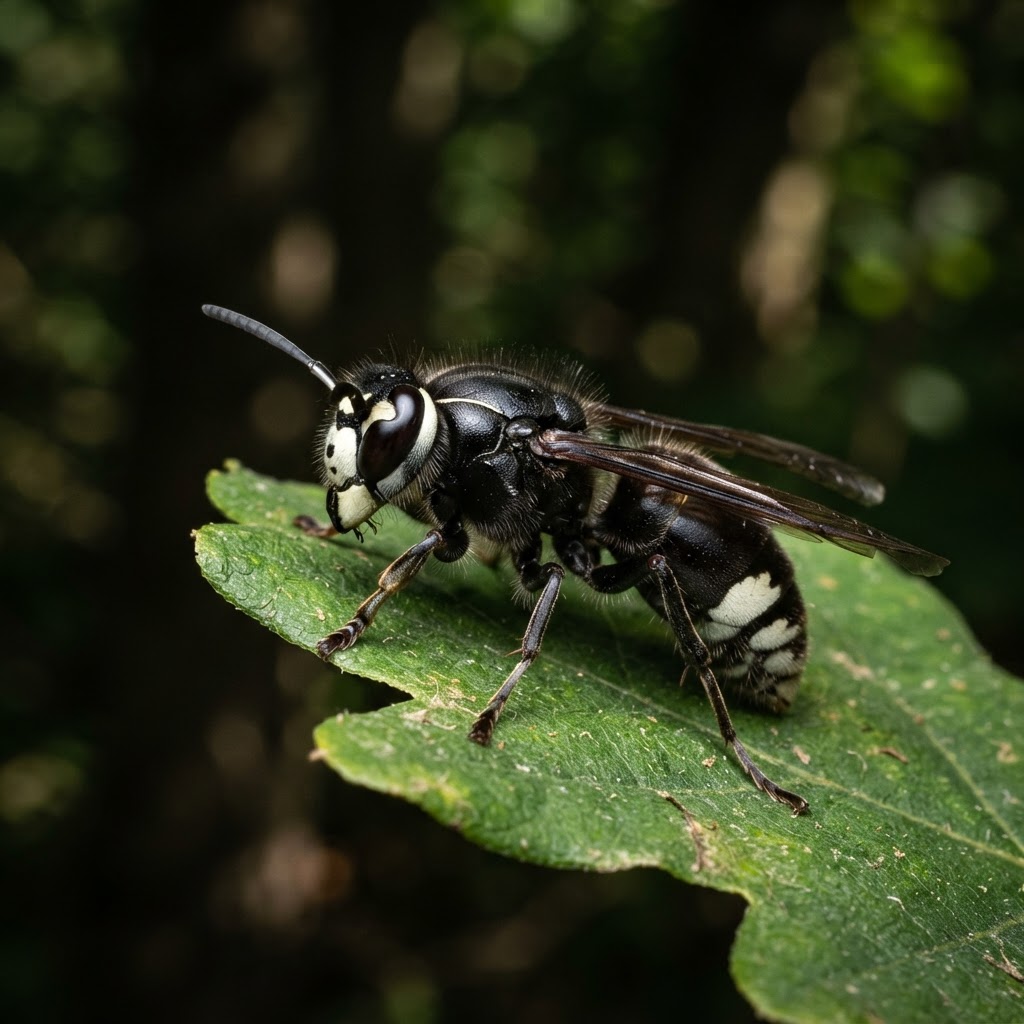 Representative photo
Bald-faced Hornets
Black-and-white "hornets" that build large gray football-shaped paper nests in trees and on buildings — extremely territorial when the nest is threatened.
View Profile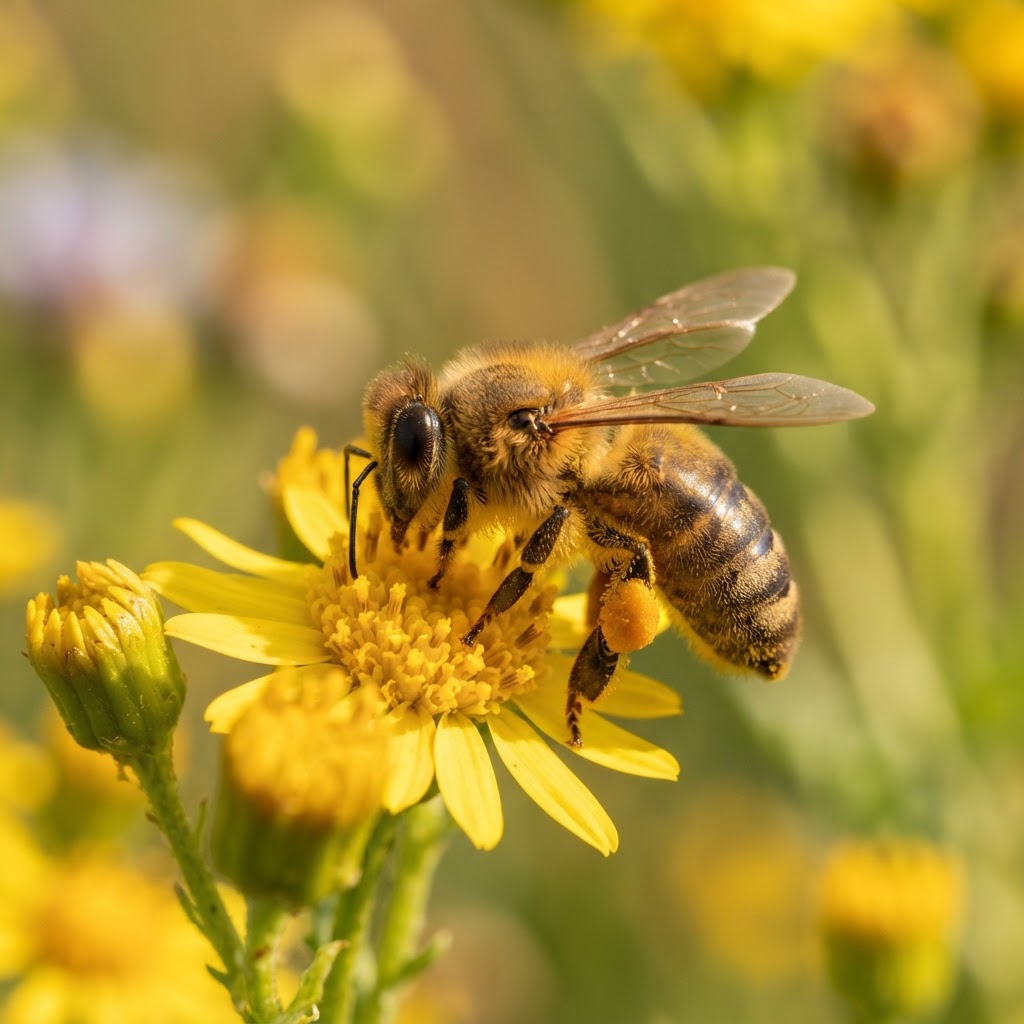 Representative photo
Honeybees
Not a pest. Honeybees pollinate Wisconsin's cranberries, apples, and cherries, survive winter as a colony, and should be relocated — never exterminated.
View Profile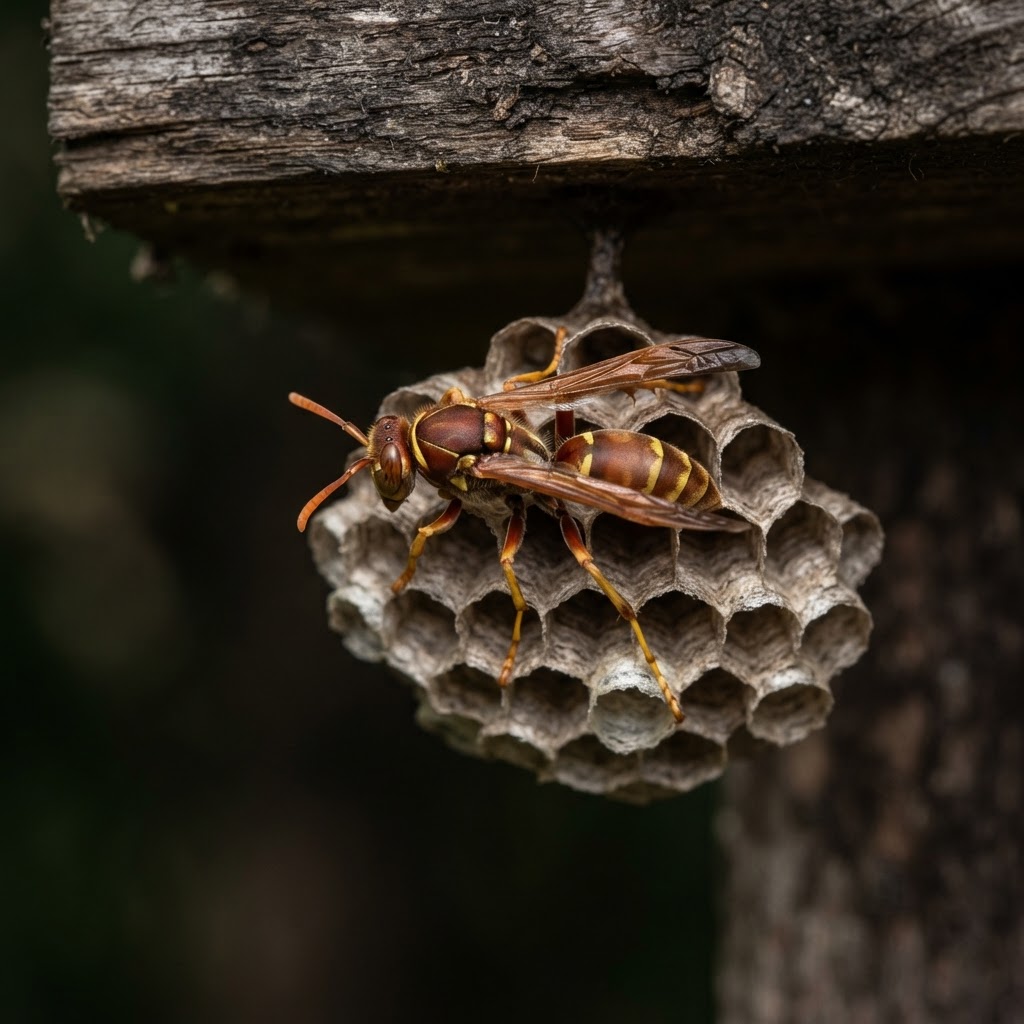 Representative photo
Paper Wasps
Long-legged wasps that build open umbrella nests under eaves and deck rails. Less aggressive than yellow jackets but will defend a nest.
View Profile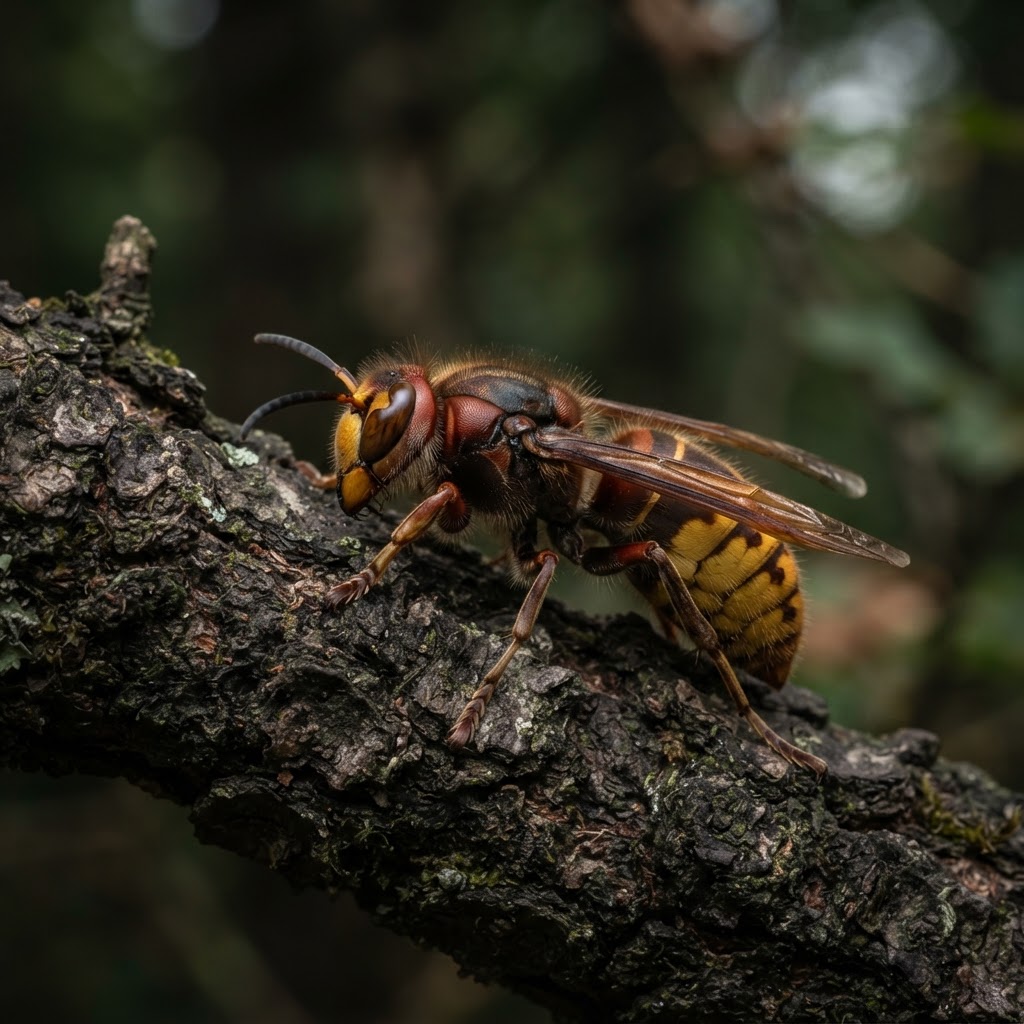 Representative photo
European Hornets
Wisconsin's largest true hornet. Nests in tree cavities and wall voids and is unusual in that it stays active after dark, drawn to porch lights.
View Profile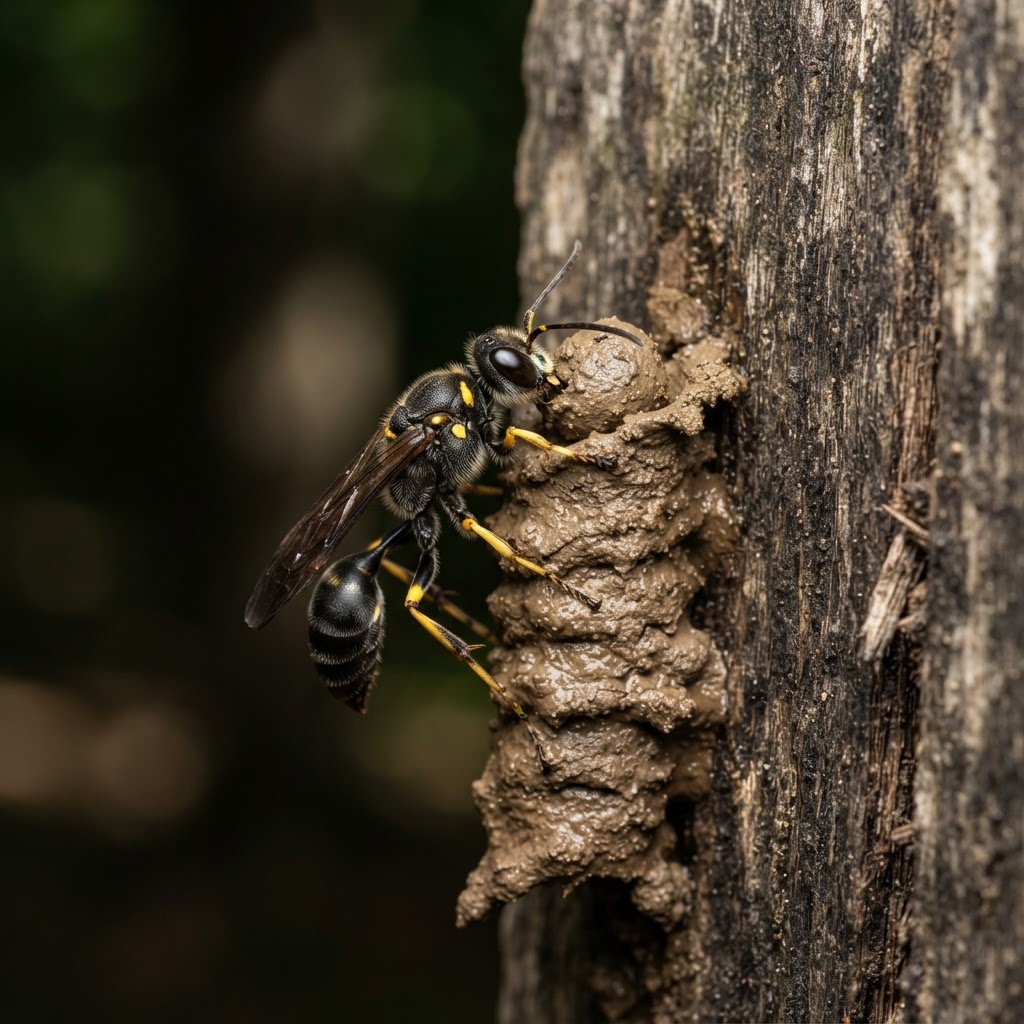 Representative photo
Mud Daubers
Non-aggressive solitary wasps that build mud tubes on walls and under eaves. They hunt spiders and almost never sting people.
View Profile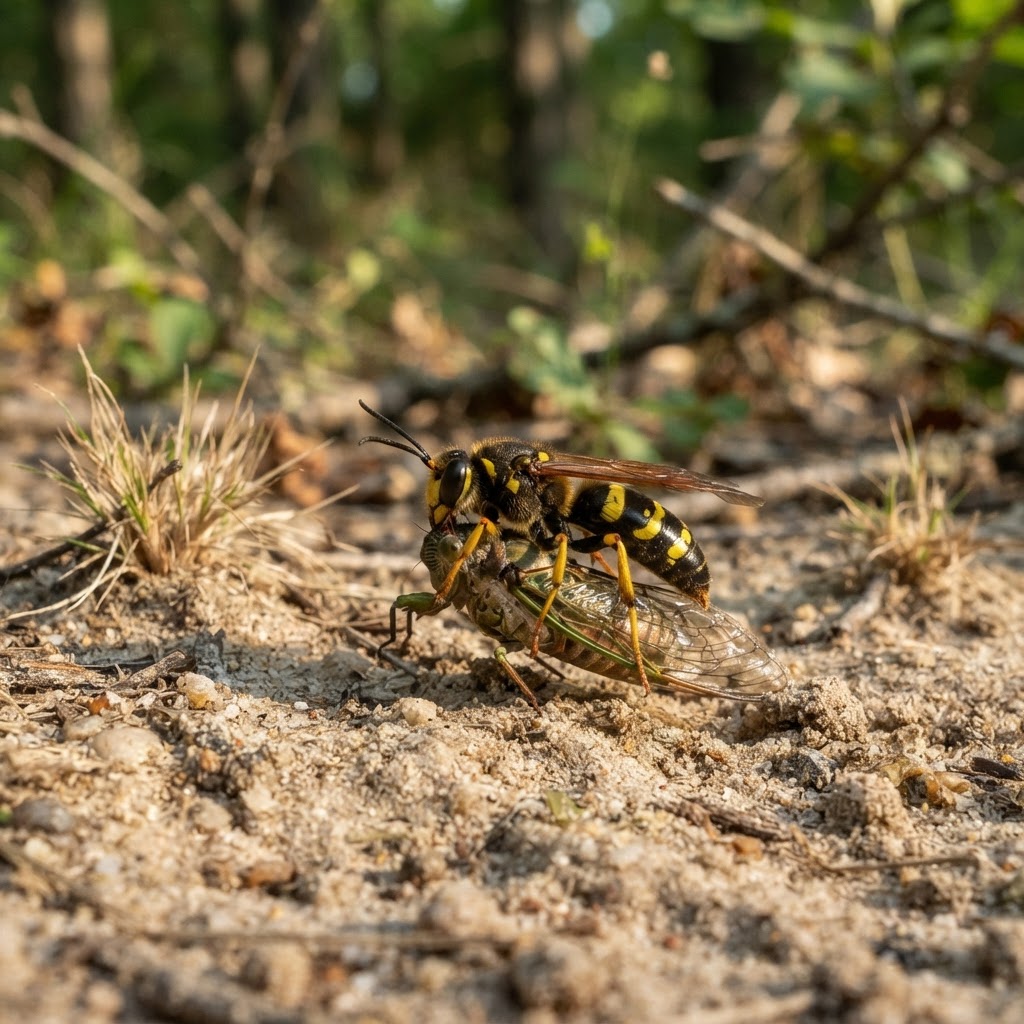 Representative photo
Cicada Killers
Large, intimidating solitary wasps that burrow in sandy soil and hunt cicadas. Males cannot sting and females rarely do — beneficial.
View Profile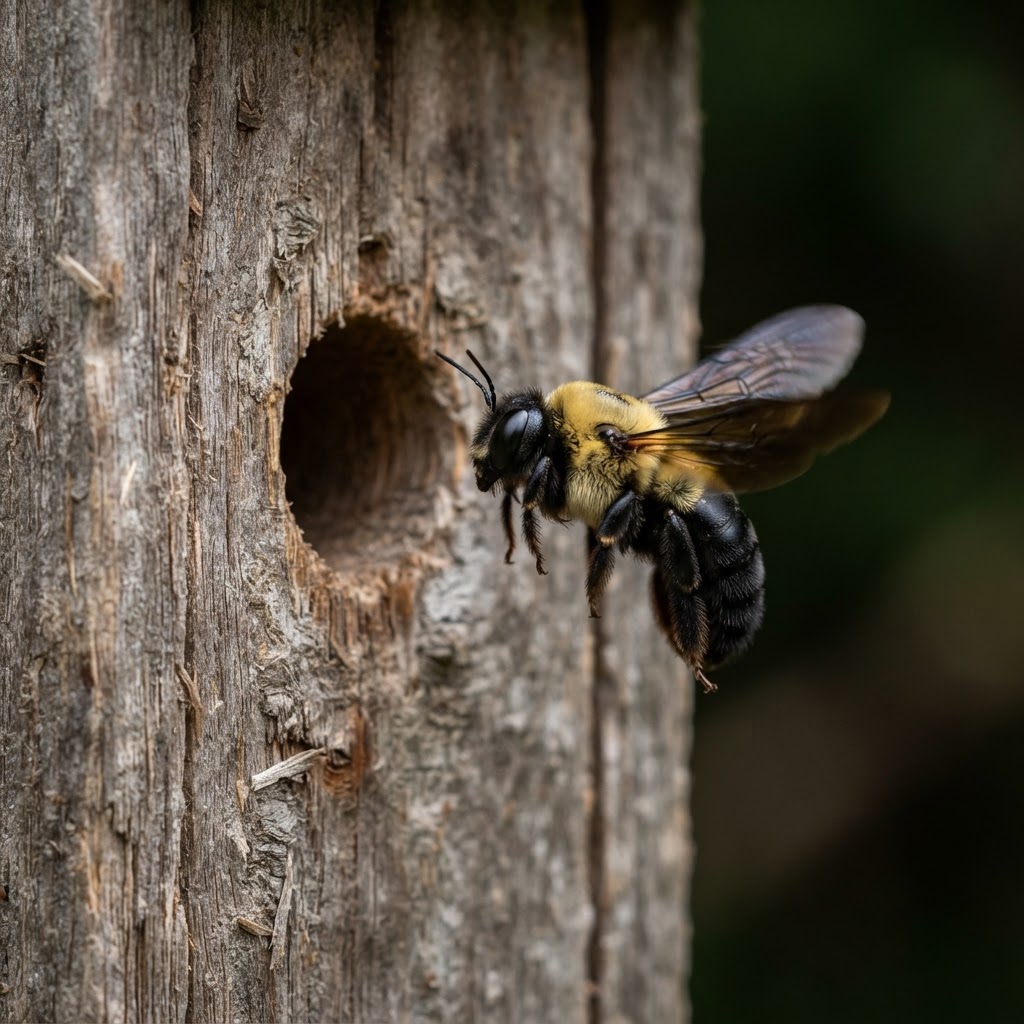 Representative photo
Carpenter Bees
Fuzzy bees that drill perfectly round holes in unpainted wood to lay eggs. They pollinate flowers but can damage decks, siding, and trim.
View Profile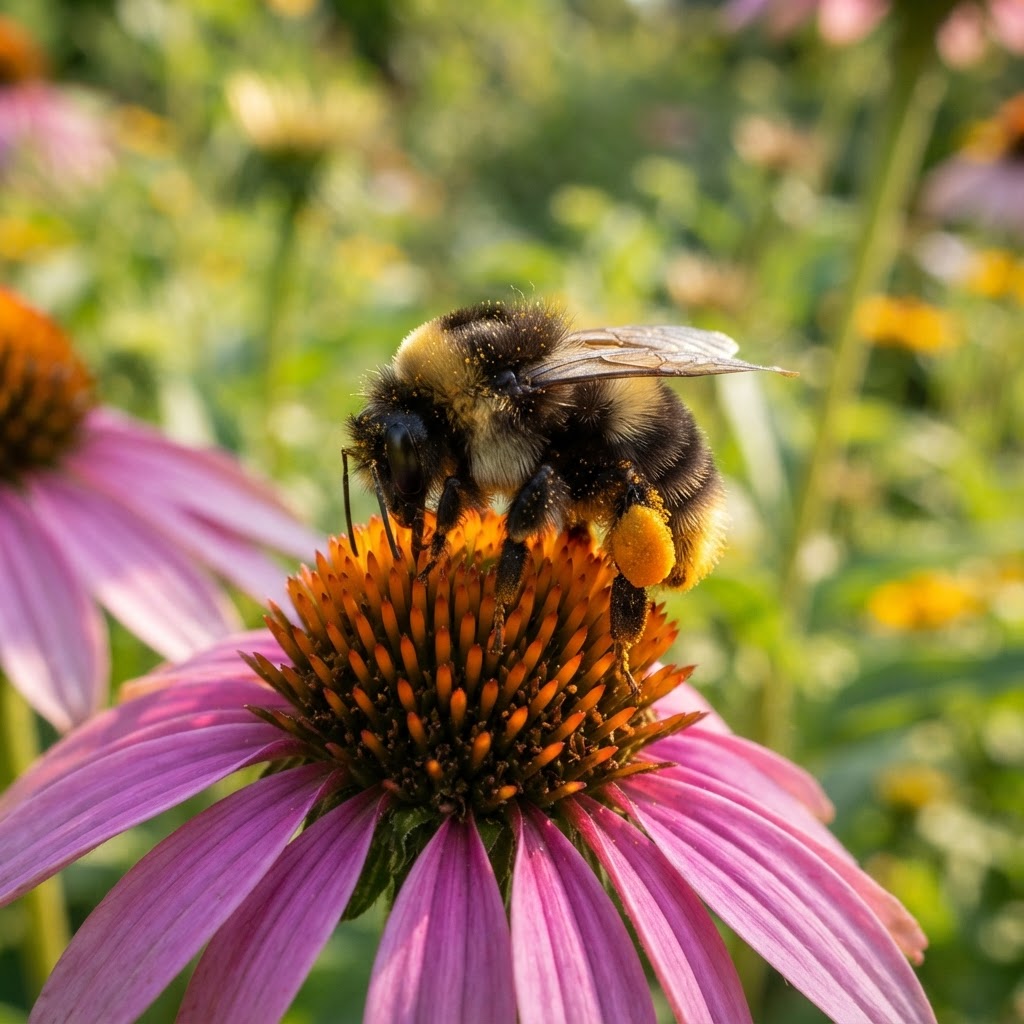 Representative photo
Bumble Bees
Large, gentle native bees that buzz-pollinate tomatoes and cranberries. Only the queen survives winter. Protect and relocate, don't exterminate.
View ProfileSend a Photo — We'll Tell You What It Is
If you have a nest or a swarm and you're not sure whether it's a yellow jacket, hornet, wasp, or bee, call or message us. We'll identify it and tell you straight whether it needs removal or relocation.
920-505-0962