Bees & Pollinators
in Wisconsin
Bees pollinate the crops and wildflowers that feed Wisconsin's people and wildlife. A single honey bee colony can pollinate millions of flowers. Native bees — often overlooked — are even more efficient pollinators of many crops. They are essential, and many species are in decline.
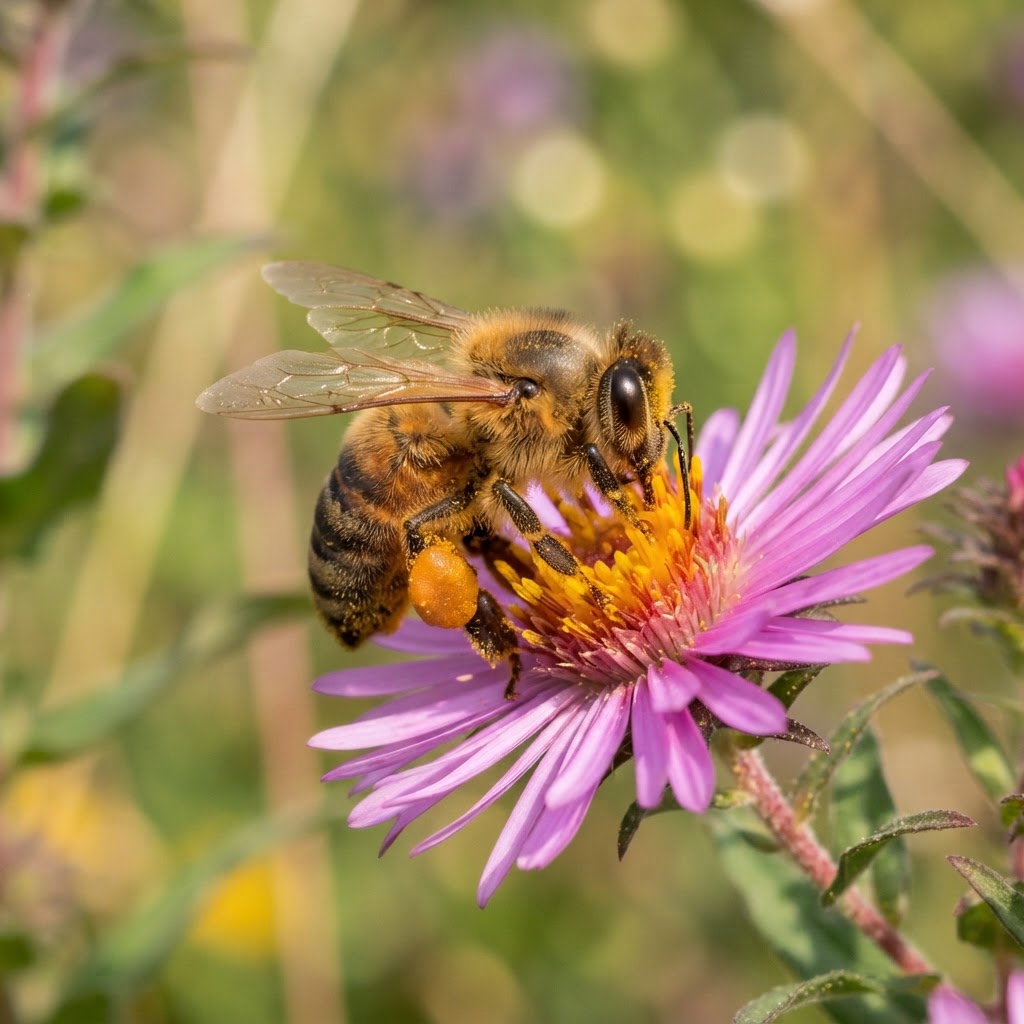
Northeast Wisconsin's cranberry bogs, apple orchards, and truck farms — concentrated in Waupaca, Outagamie, and Shawano counties — depend on the ~400 native bee species that pollinate the region's crops. Bumble bees buzz-pollinate the cranberries grown around New London and Manawa; protecting these pollinators is why Mid State treats for pests with targeted, pollinator-sparing methods.
Honeybee swarm season — a cluster of bees on a branch is usually a resting swarm, not a threat. Call a beekeeper to collect it; spraying a swarm kills a valuable colony.
In Northeast Wisconsin
The native wildflower meadows at Mosquito Hill Nature Center near New London, the cranberry bogs around Manawa, and the prairie restorations at High Cliff State Park are buzzing with bumble bees and solitary bees all summer.
Bees pollinate Wisconsin apples, cherries, cranberries, and vegetables — crops worth hundreds of millions of dollars.
Native bees pollinate the wildflowers that sustain Wisconsin's prairies and meadows.
Pollination produces berries and seeds that feed birds, bears, and other wildlife.
Bees support the plants that hold soil and shelter other animals.
Why Bees & Pollinators Matter
Wisconsin has roughly 400 species of native bees — bumble bees, sweat bees, leafcutter bees, and more — alongside managed honey bees. Together they pollinate the state's fruit, vegetable, and cranberry crops and its wildflowers. Native bees are often more effective pollinators than honey bees but face steep declines from habitat loss, pesticides, and disease. Protecting them protects Wisconsin's food and wildlands.
Common Bees & Pollinators in Wisconsin
Here are the common Bees & Pollinators found across Wisconsin, with the specific benefits each species provides to nature and to people.
Honey Bee
Benefits to NatureA managed, social bee living in large colonies; pollinates a huge range of Wisconsin crops and flowers.
Benefits to HumansBackbone of Wisconsin crop pollination (apples, cherries, cranberries); produces honey.
Bumble Bee
Benefits to NatureA fuzzy, social native bee that buzz-pollinates tomatoes, peppers, and cranberries — a pollination honey bees cannot do.
Benefits to HumansEssential for Wisconsin cranberry and tomato yields; several species are declining or protected.
Leafcutter Bee
Benefits to NatureA solitary native bee that cuts neat leaf circles to line its nest; pollinates alfalfa and many flowers.
Benefits to HumansHighly efficient pollinator of alfalfa and vegetable crops; gentle and solitary.
Sweat Bee
Benefits to NatureA small, often metallic-green native bee attracted to human sweat; pollinates many wildflowers and crops.
Benefits to HumansAbundant, gentle pollinator of Wisconsin wildflowers and gardens; harmless despite the name.
Mason Bee
Benefits to NatureA solitary native bee that nests in hollow stems and holes, using mud to seal cells; an excellent spring pollinator.
Benefits to HumansOne of the most efficient pollinators of spring fruit trees like apples and cherries.
Related Beneficial Species
These species do similar work in the Wisconsin landscape — explore how they fit together.
When They're Beneficial
- Pollinating crops, gardens, and wildflowers across Wisconsin
- Supporting the berries and seeds that feed birds and wildlife
- Sustaining cranberry, apple, cherry, and vegetable production
- Nesting in the ground, hollow stems, or bee houses away from your home
When Bees Nest Too Close to Your Home
Bees are essential and should almost never be killed. Occasionally a honey bee colony or bumble bee nest settles in a wall, eave, or high-traffic area where it is a real risk. The right response is live removal and relocation by a beekeeper or humane wildlife professional — not extermination. Protect pollinators whenever possible.
Wildlife ControlLiving Alongside Bees & Pollinators
Plant a Pollinator Garden
Native wildflowers, milkweed, and clover feed bees from spring through fall.
Provide Nesting Habitat
Leave bare soil, hollow stems, and a bee house for solitary native bees.
Avoid Pesticides
Insecticides — especially neonicotinoids — are a major cause of bee decline. Skip them or use them sparingly and never on blooming plants.
Choose Live Removal
If bees nest in your home, ask for live relocation rather than extermination. Many beekeepers will collect swarms for free.
When to Call for Bee Removal
Bees are essential and should almost never be killed. When a colony or nest settles in a wall, eave, or high-traffic area, the right call is live removal and relocation — we can help arrange humane relocation rather than extermination.
- A honey bee colony or bumble bee nest in your home's wall, eave, or attic
- A swarm of bees clustered on your property (a beekeeper can often collect it for free)
- A nest in a high-traffic area where someone could be stung
- Someone in the household has a severe bee sting allergy and a nest is nearby
Bees are essential — we do not kill them. If a colony has settled in your home, we help arrange humane, live relocation.
Wildlife ControlBees & Pollinators Quiz
How well do you know Wisconsin's bees & pollinators? Take this quick quiz to find out.