Wisconsin Wildlife
Deserves Protection
Not every critter is a pest. Many of the animals we are called to remove are ecologically essential — they only become a problem when they are in the wrong place. Our job is to solve that conflict humanely, not to eliminate the species. Here is why these animals matter, and how to live alongside them.
Pest Control That Respects Nature
Integrated Pest Management
We use the least-invasive methods needed — targeted treatments, exclusion, and habitat modification over broadcast chemicals.
Humane Wildlife Removal
Live traps and one-way exclusion devices. We remove animals from your home without harming them, following Wisconsin DNR guidelines.
Remove Only When Necessary
If an animal isn't in your living space or causing damage, we'll tell you to leave it be. We don't create work that doesn't need doing.
Beneficial Wisconsin Wildlife
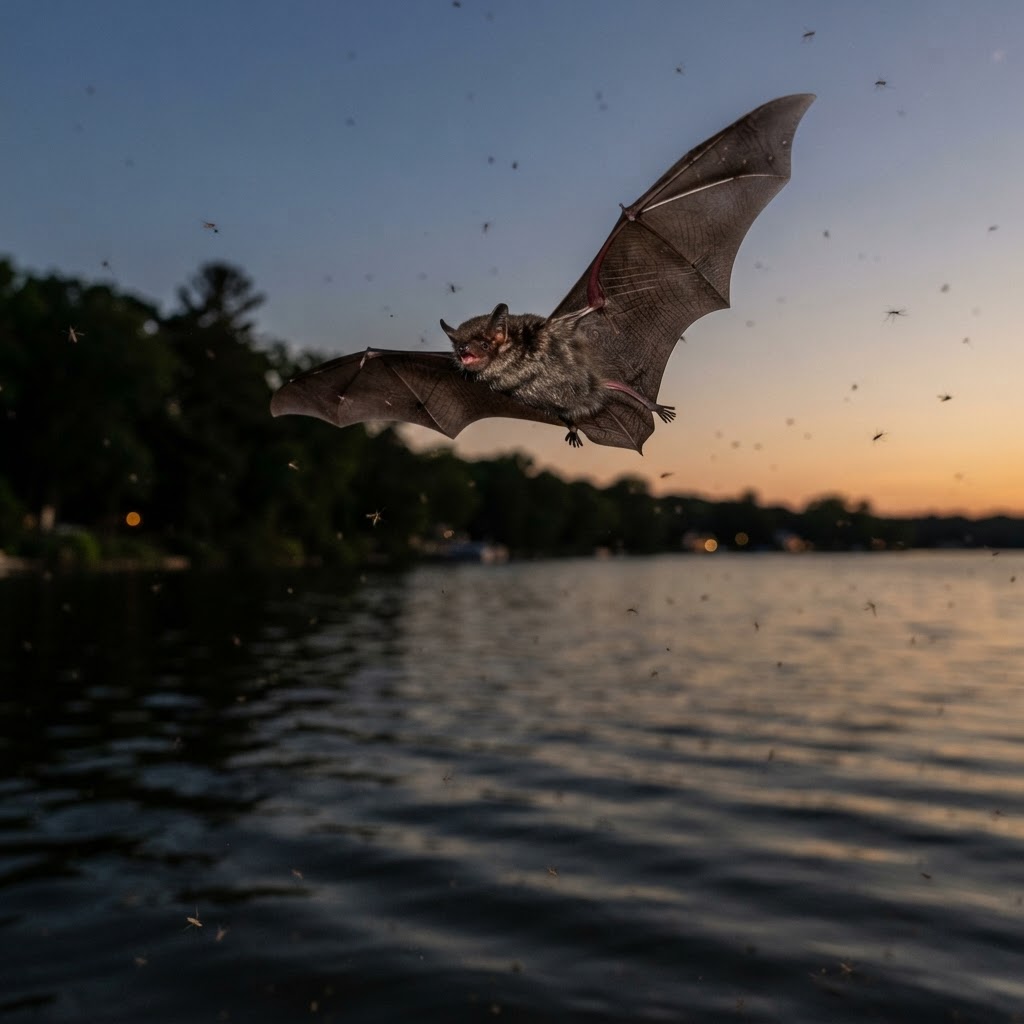
Bats
A single bat eats thousands of mosquitoes and crop pests every night — but their populations need our help.
Learn More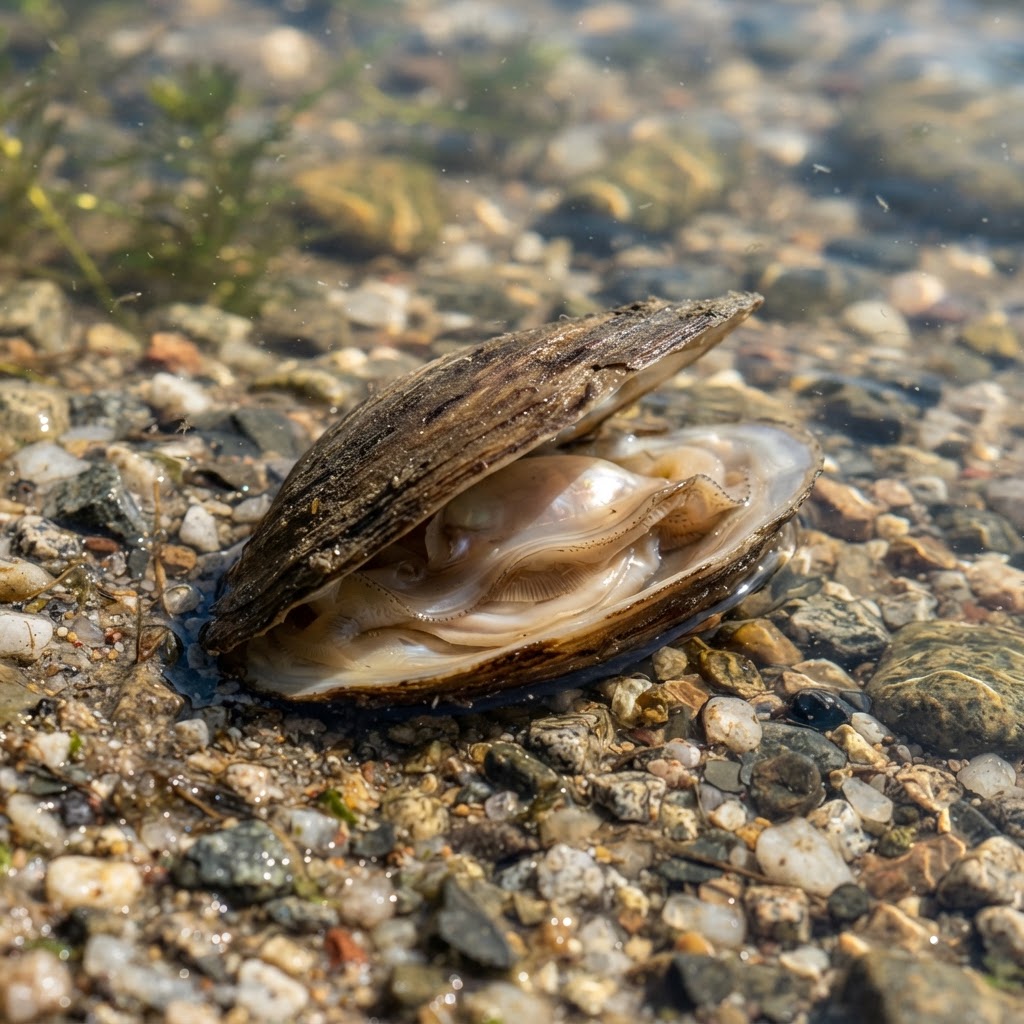
Freshwater Mussels
These quiet heroes filter and clean our rivers — and Wisconsin is a hotspot for them.
Learn More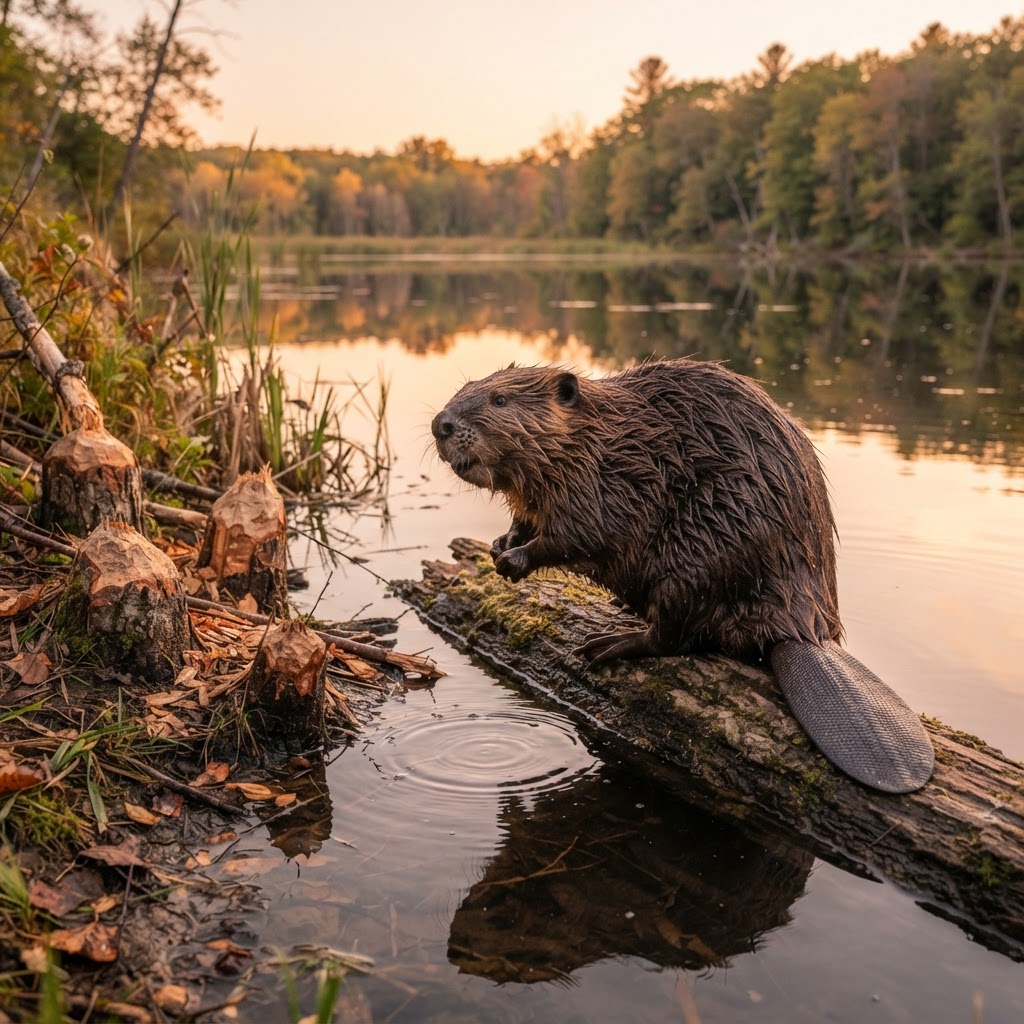
Beavers
Beaver dams create wetlands that support more biodiversity than almost any habitat.
Learn More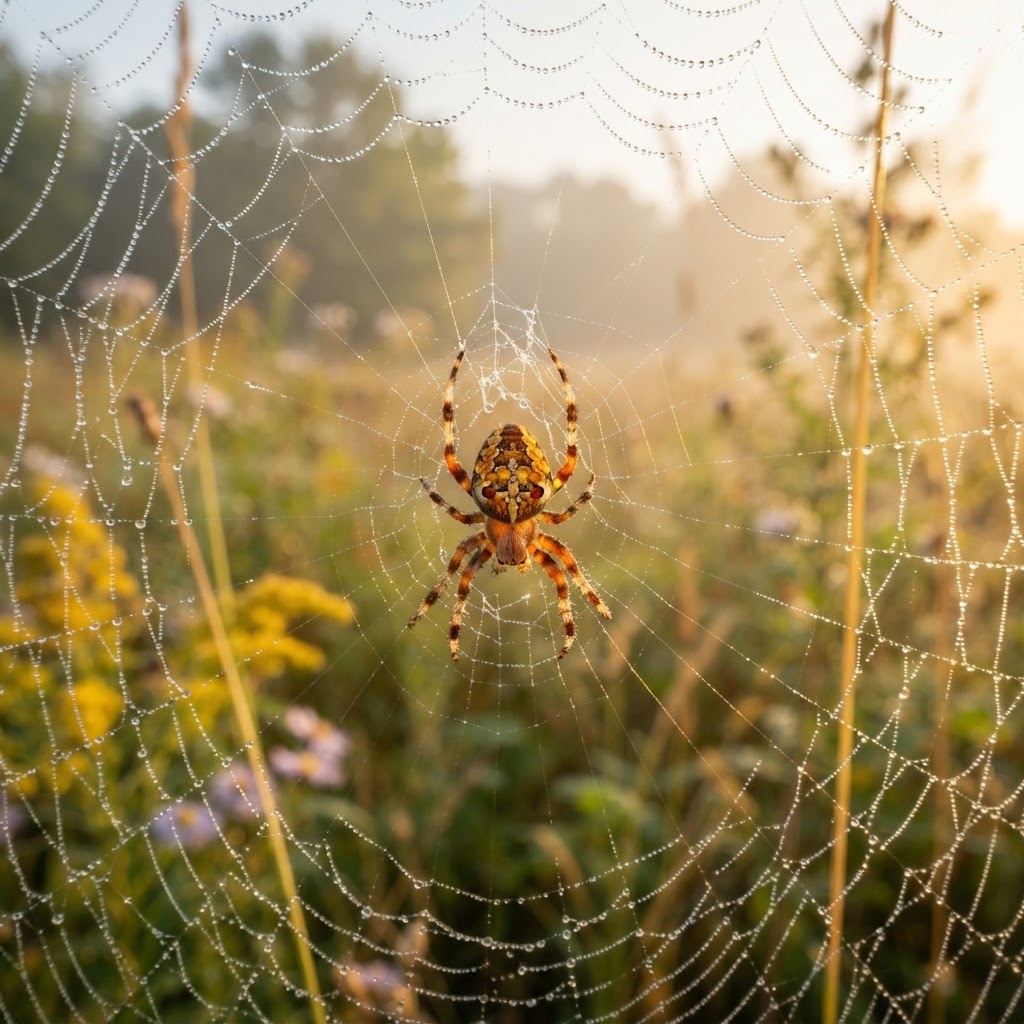
Spiders
Outdoors, spiders are among the most beneficial predators in your yard.
Learn More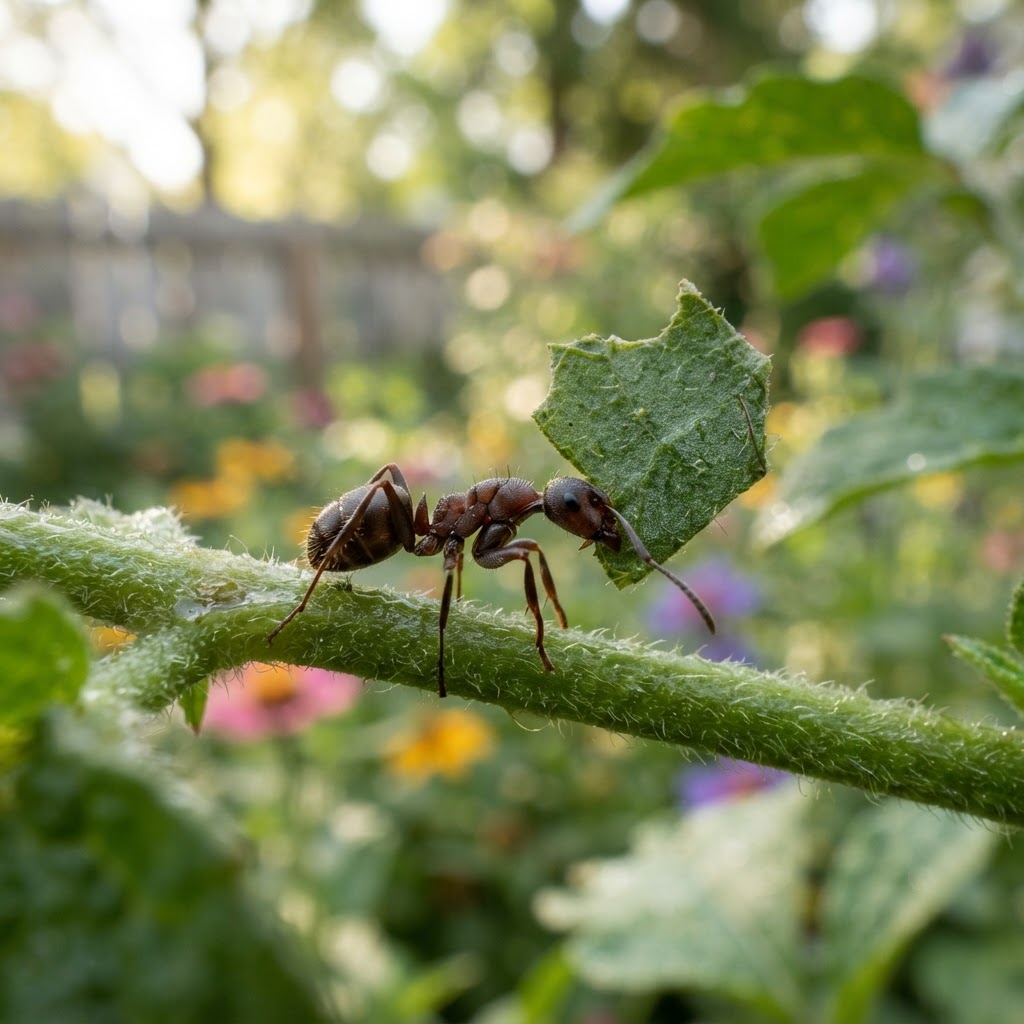
Ants
When ants are outside, they aerate soil, disperse seeds, and hunt forest pests.
Learn More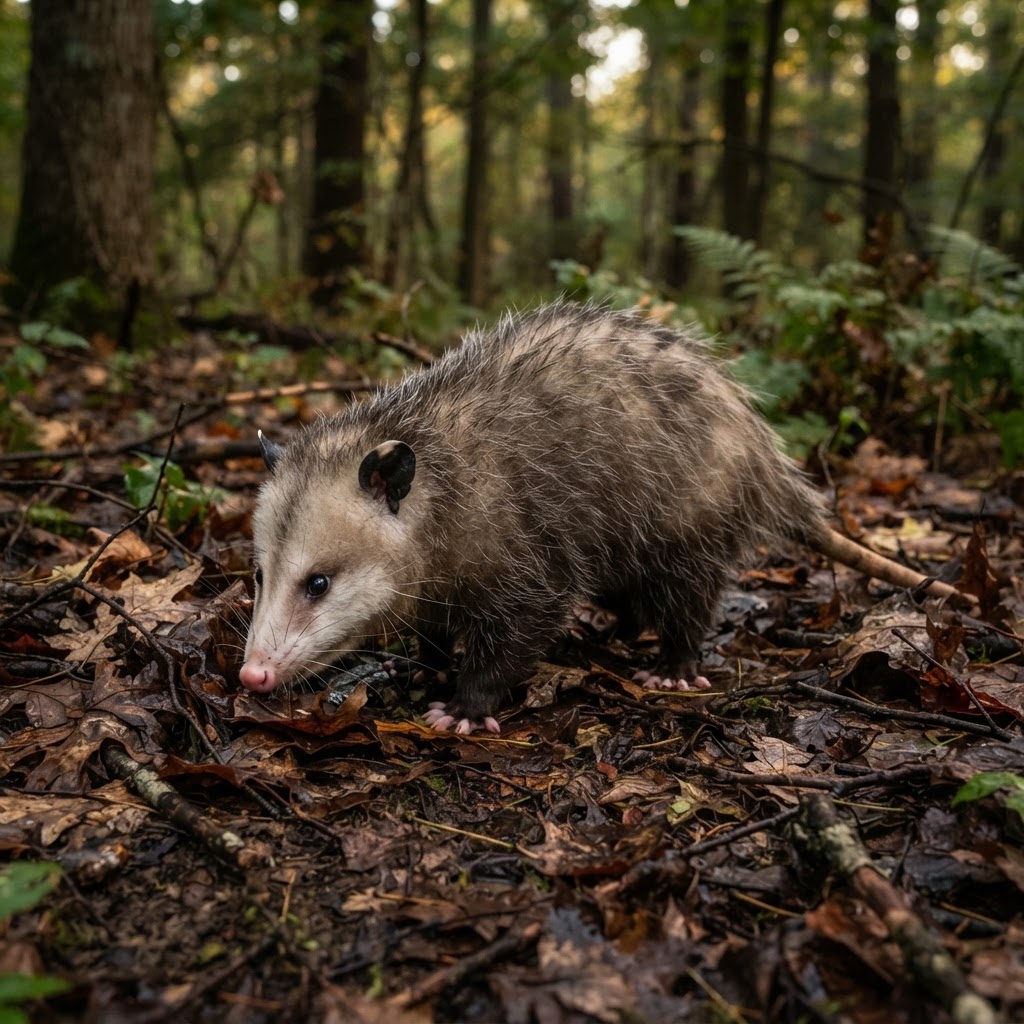
Opossums
Gentle scavengers that eat thousands of ticks, control mice, and are highly resistant to rabies.
Learn More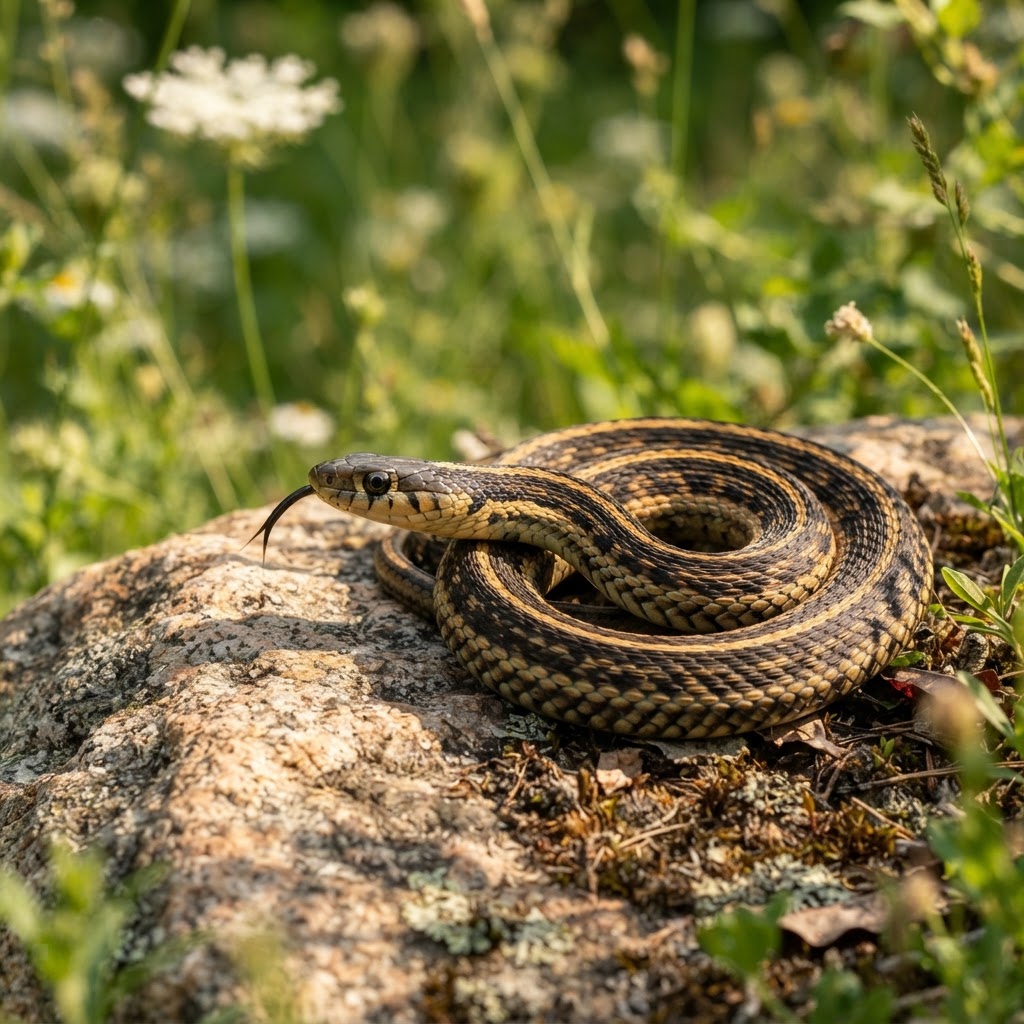
Snakes
Most Wisconsin snakes are harmless and provide free rodent and pest control; only two rare species are venomous.
Learn More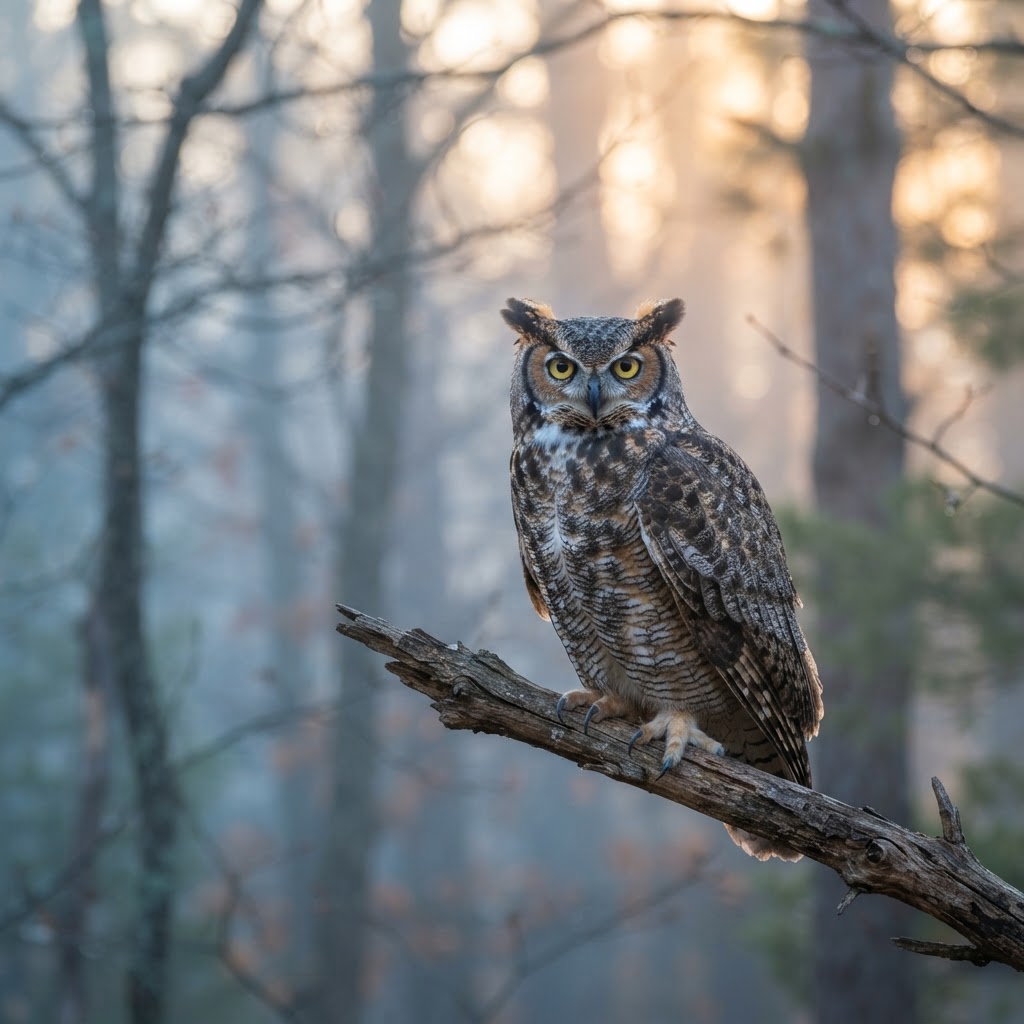
Owls & Birds of Prey
A single owl family eats thousands of mice a year — and all raptors are protected by law.
Learn More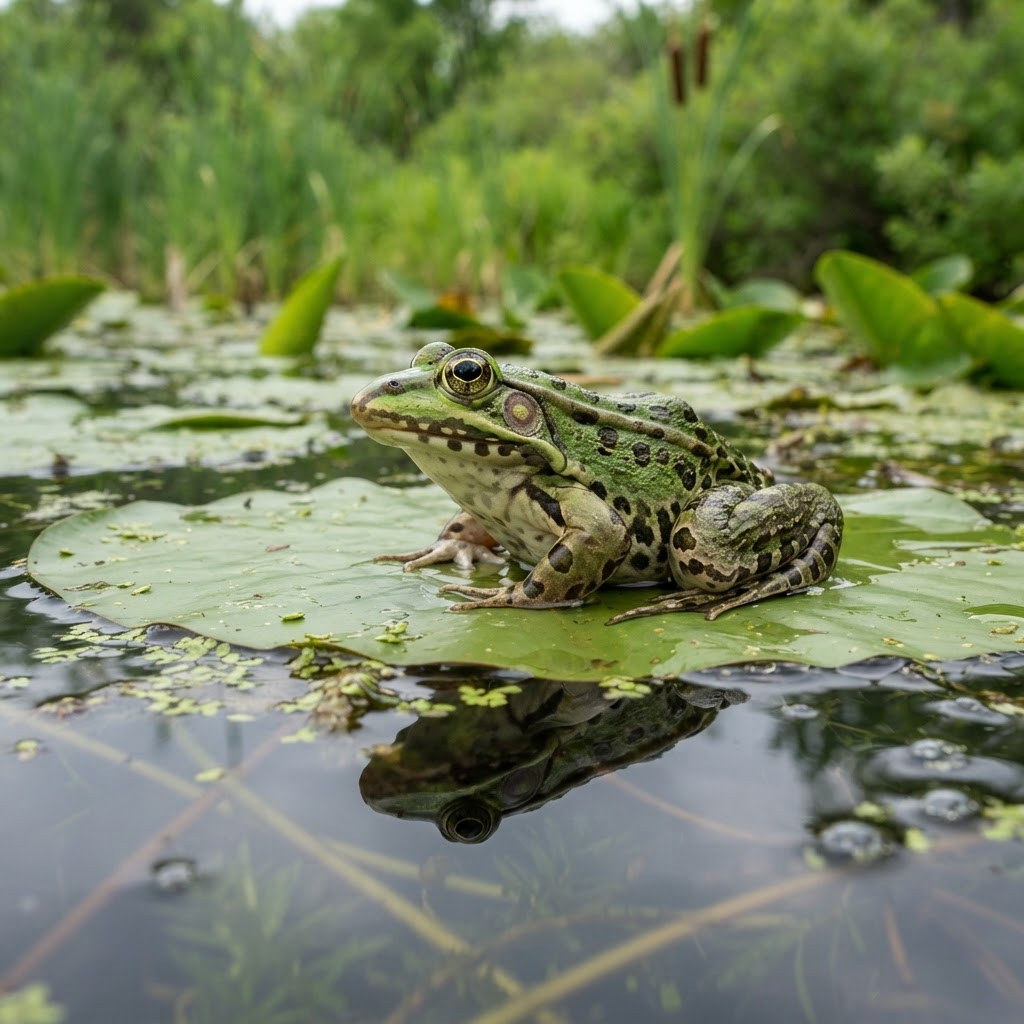
Frogs & Toads
A single toad eats thousands of insects a season, and their presence signals clean water.
Learn More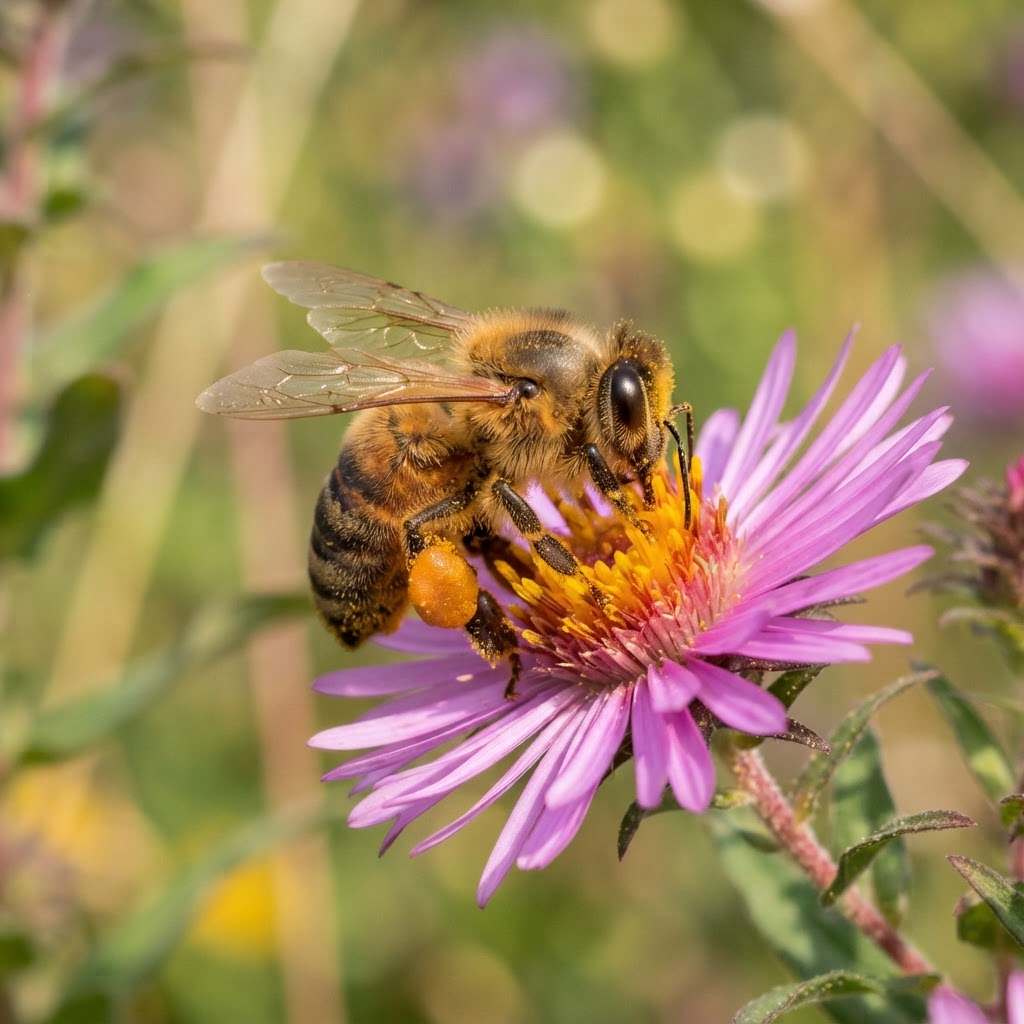
Bees & Pollinators
Wisconsin has ~400 native bee species pollinating cranberries, apples, cherries, and wildflowers.
Learn More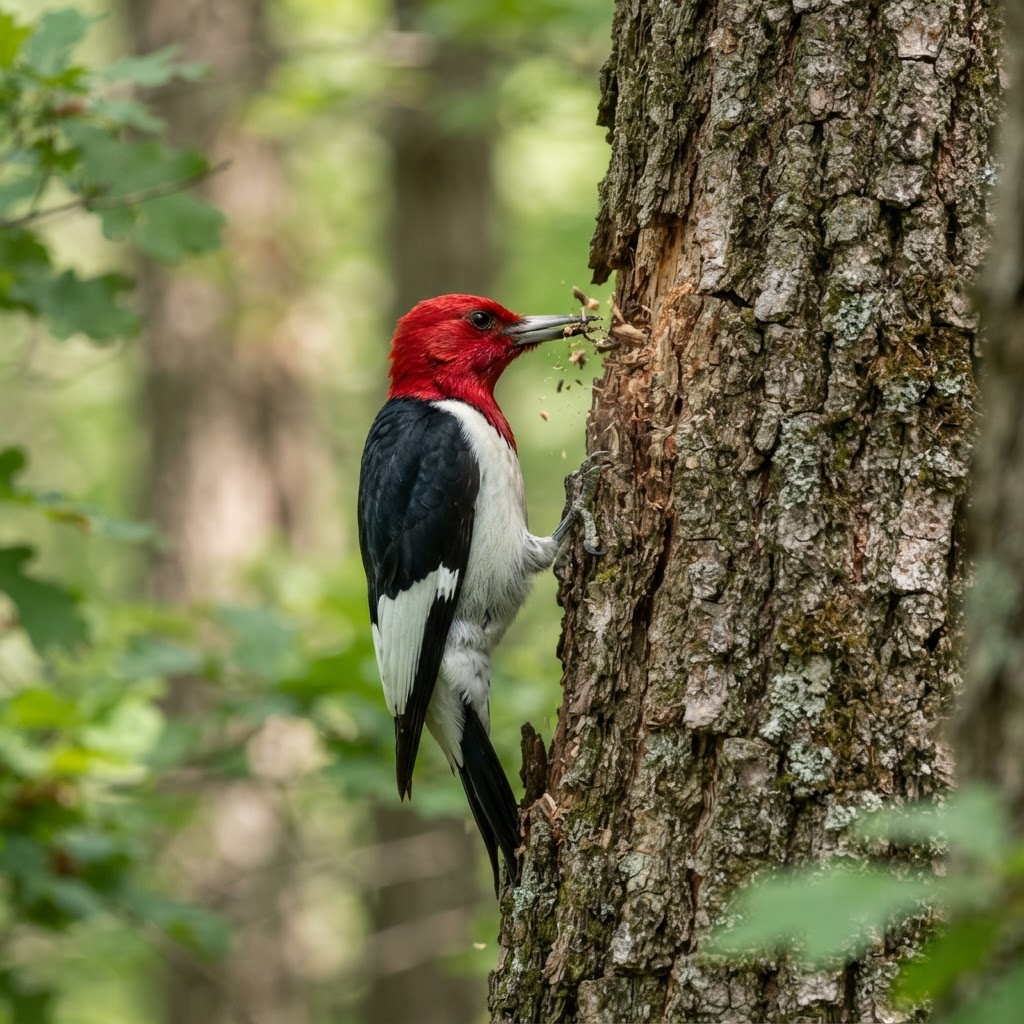
Woodpeckers
They eat wood-boring beetles and carpenter ants and create cavities for other wildlife — when not on your house.
Learn More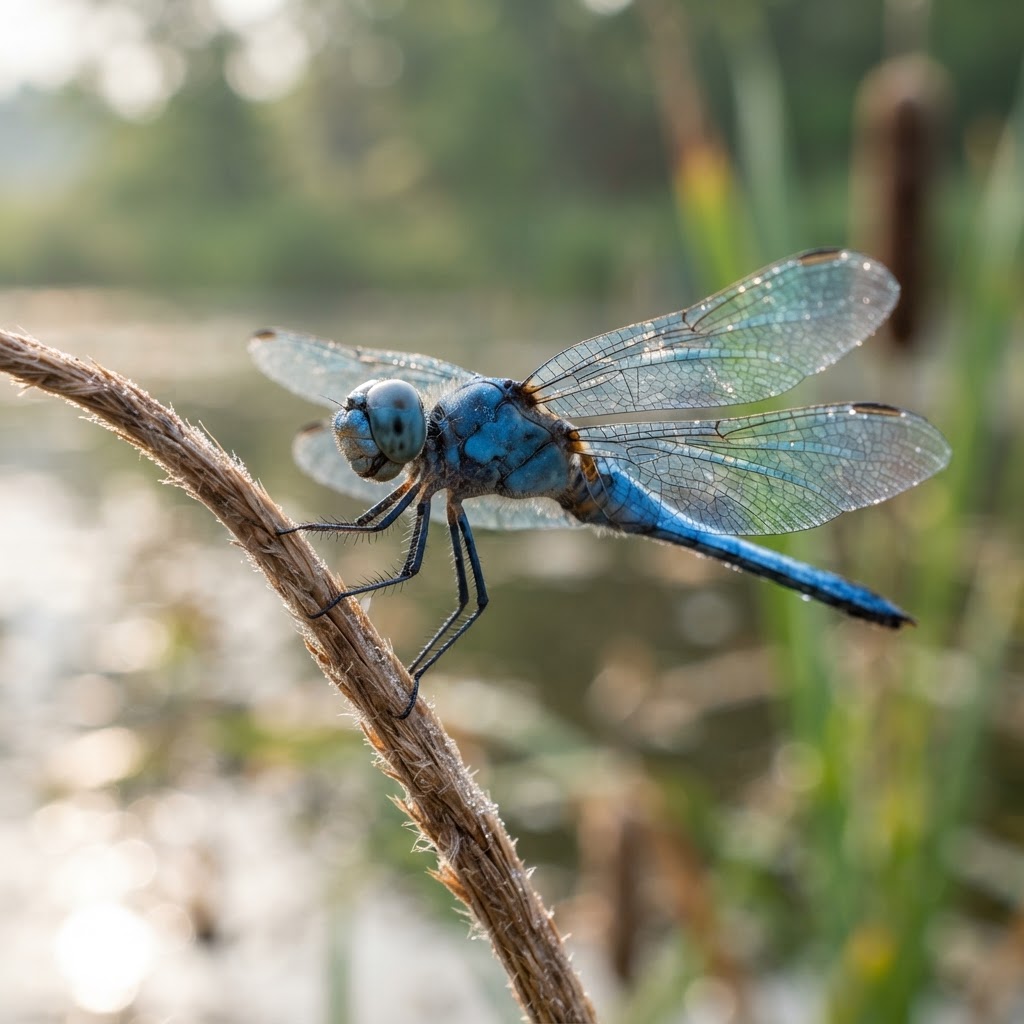
Dragonflies
A single dragonfly eats hundreds of mosquitoes a day and is completely harmless to people.
Learn More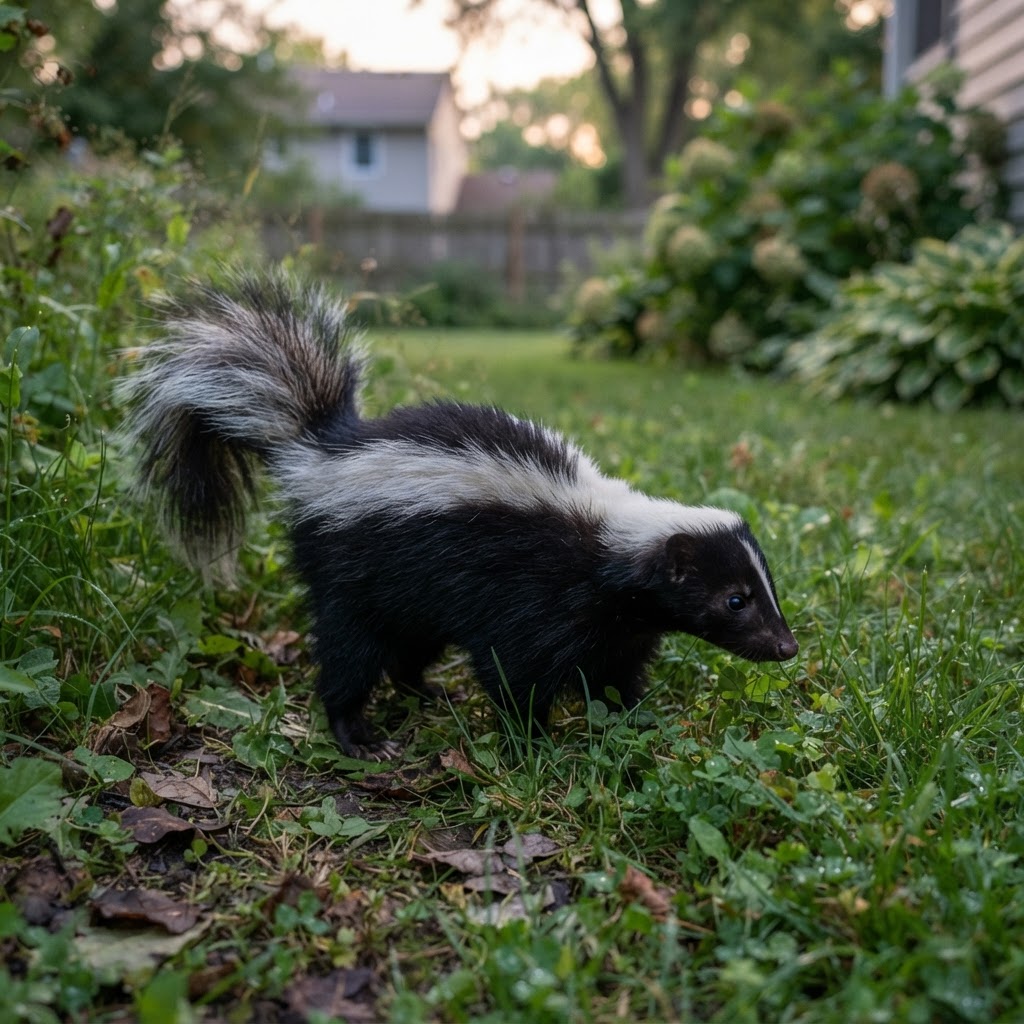
Skunks
A single skunk devours thousands of grubs, mice, and yellowjackets a season — only a nuisance when it dens under a porch.
Learn More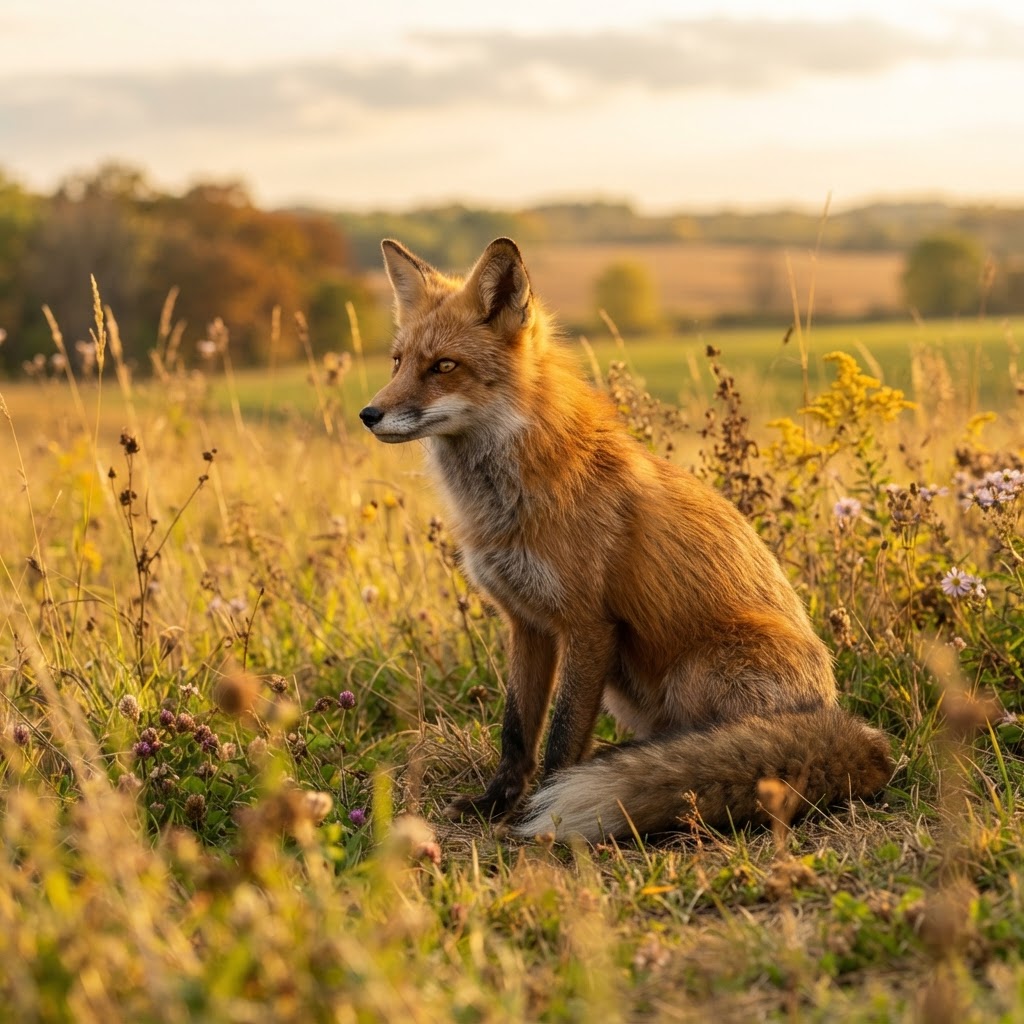
Foxes
A fox family takes thousands of mice and voles a year; shy, avoids people, and a sign of a healthy landscape.
Learn More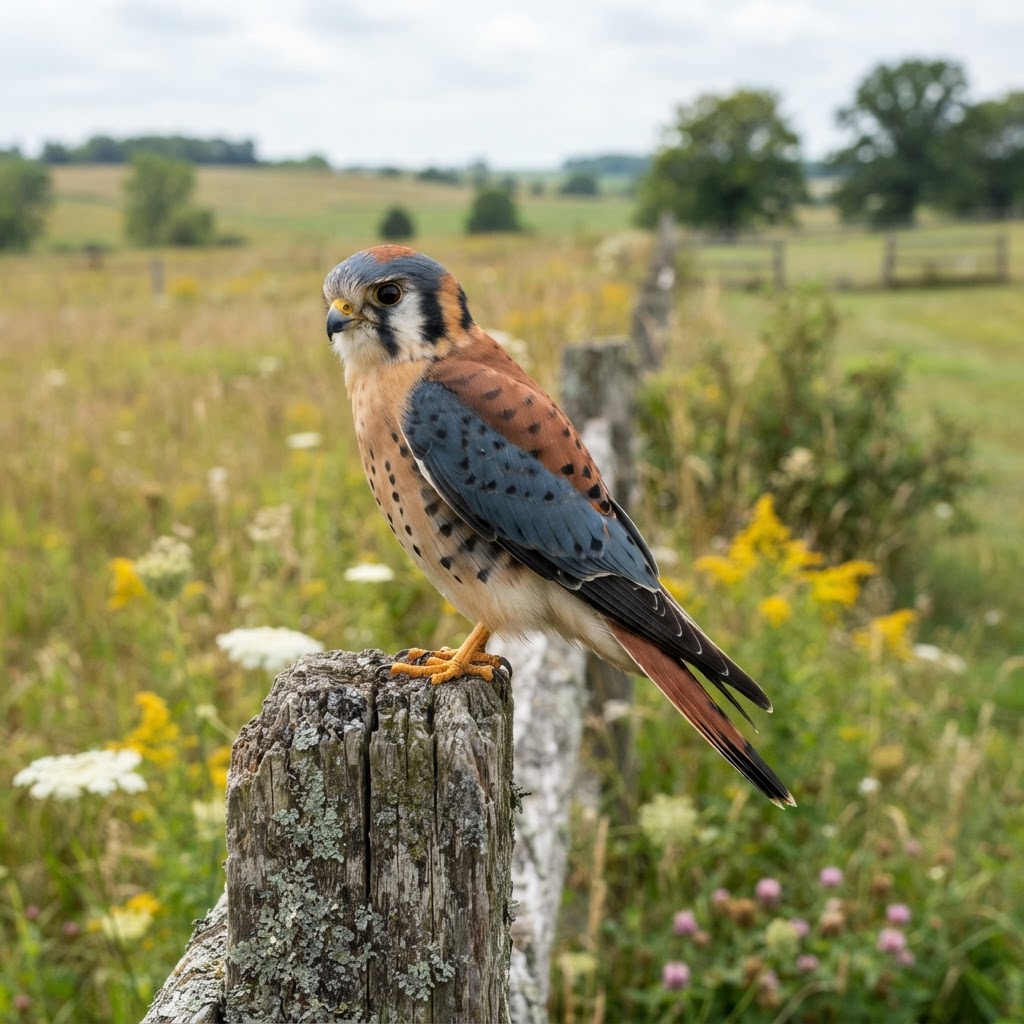
American Kestrel
A kestrel family eats hundreds of grasshoppers and mice a season; declining, so nest boxes help.
Learn More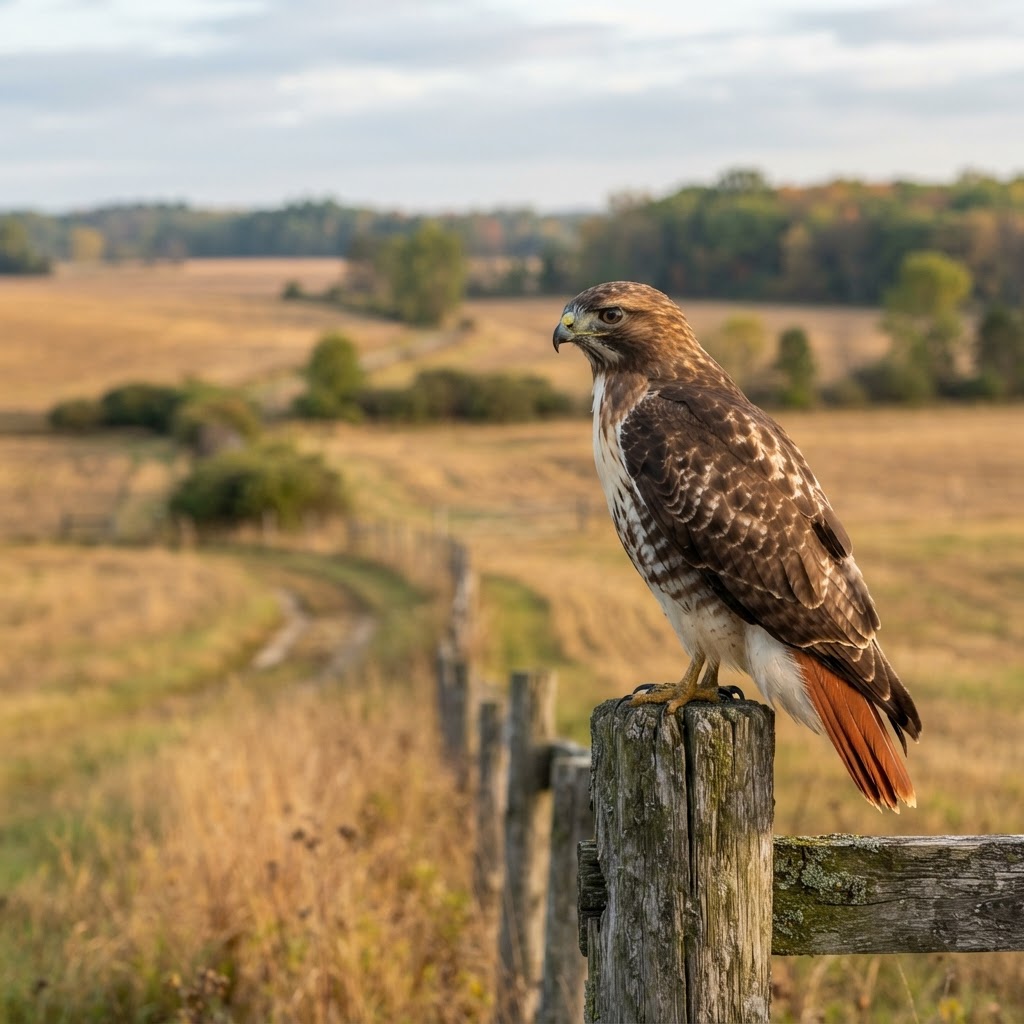
Hawks
Red-tailed, Cooper's, and sharp-shinned hawks eat hundreds of mice and rabbits a year — all protected by law.
Learn More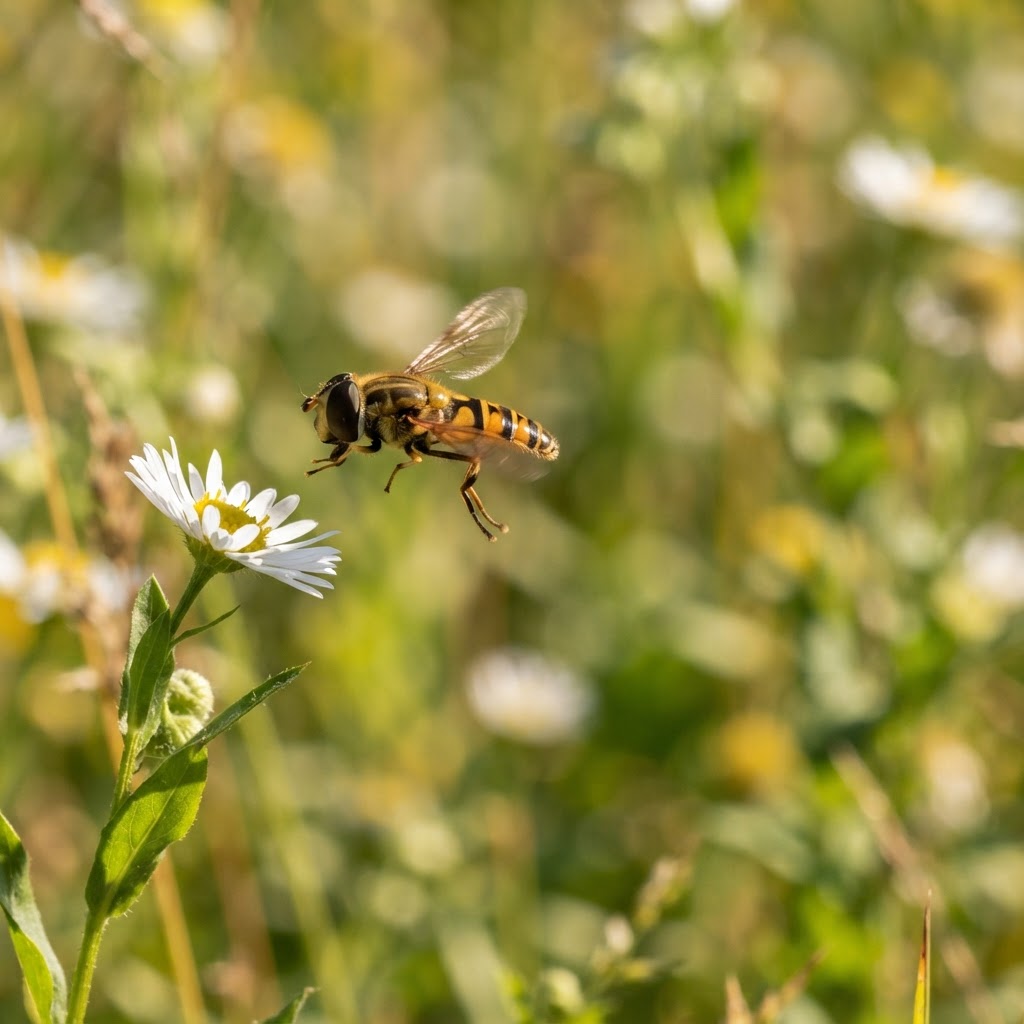
Hoverflies
Bee-mimicking, stingless flies whose larvae eat hundreds of aphids and whose adults pollinate flowers.
Learn More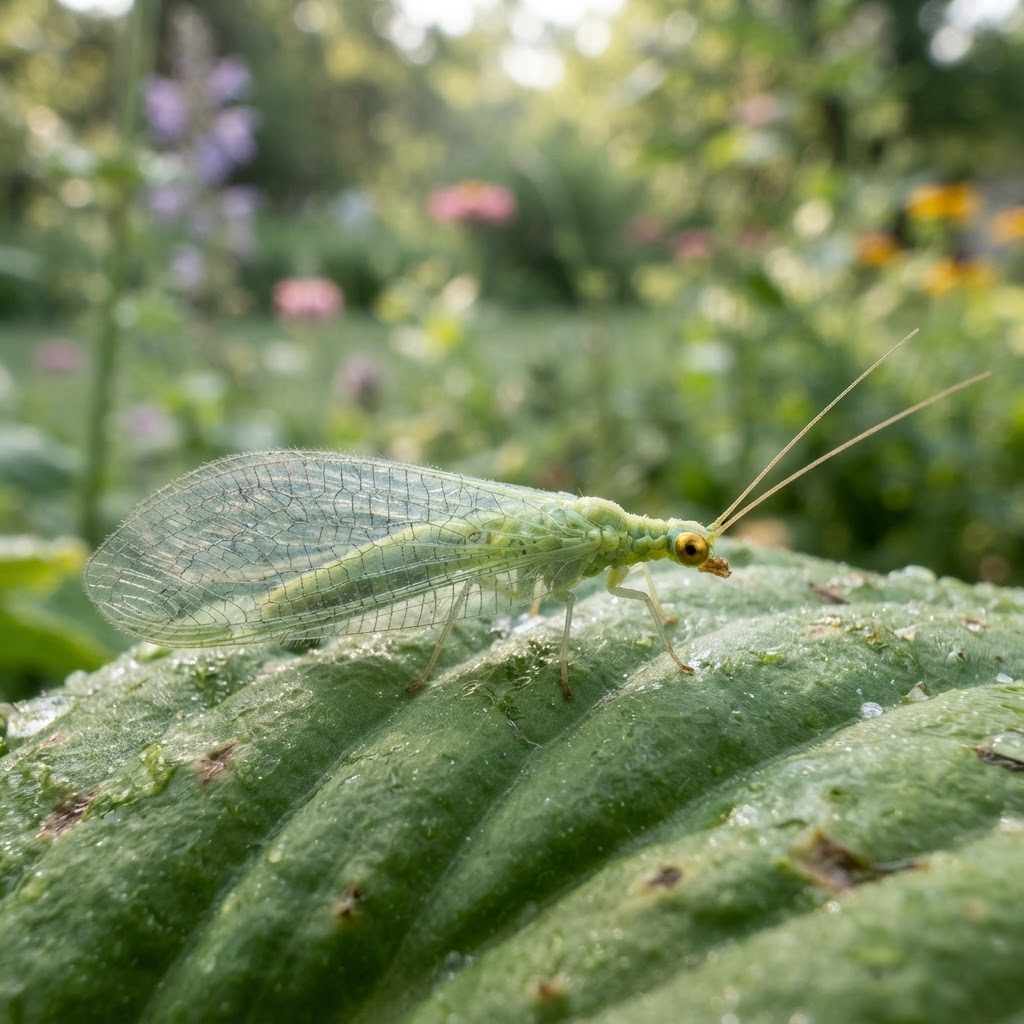
Lacewings
Delicate, harmless insects whose larvae devour hundreds of aphids, mites, and caterpillars.
Learn More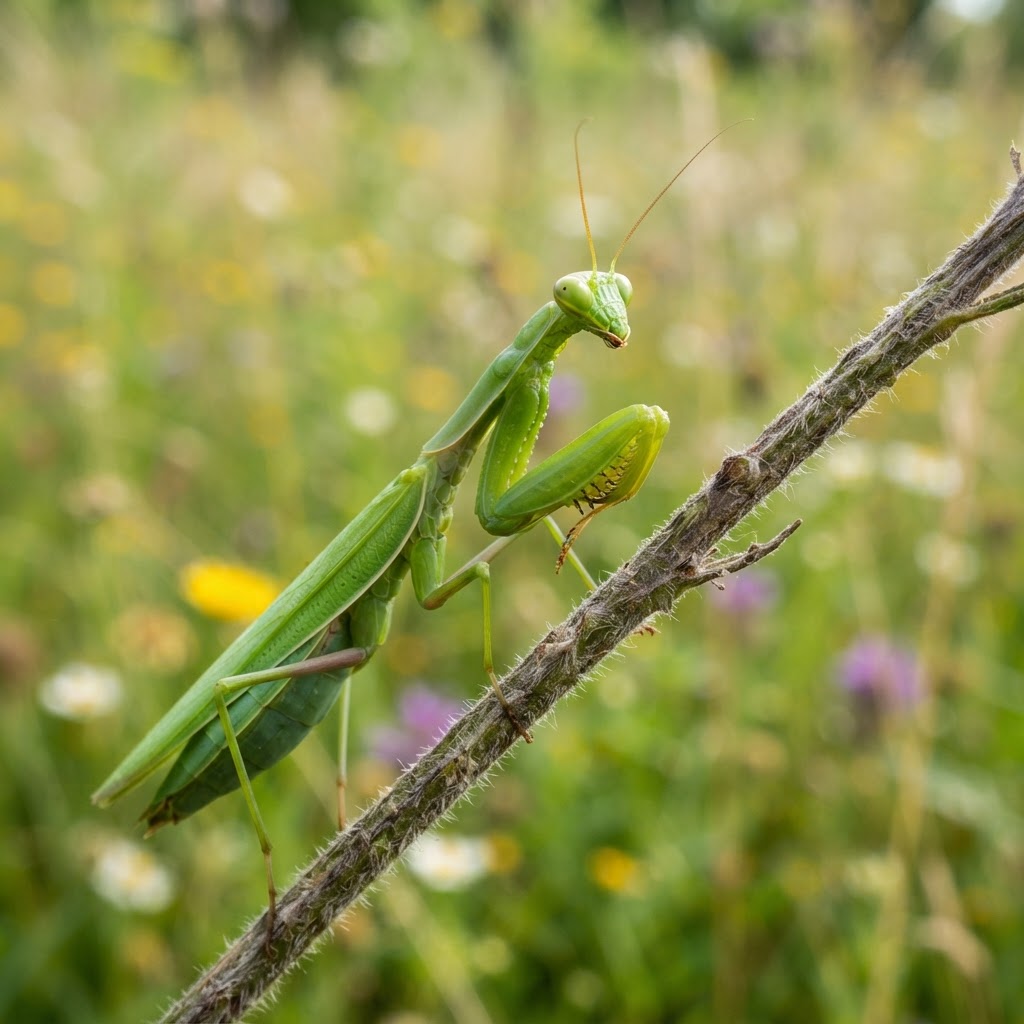
Praying Mantids
Charismatic, harmless predators that ambush aphids, grasshoppers, caterpillars, and flies in any garden.
Learn MoreTest Your Wisconsin Wildlife Knowledge
One question from every beneficial species above. See how many you can get right.
How many mosquitoes can a single little brown bat eat in an hour?
Conservation Meets Service
Many of these beneficial species connect to a Mid State service — as wildlife we humanely exclude, birds we deter legally, or insects we protect while treating for pests. Explore the species each service touches.
Humane removal and exclusion when beneficial wildlife becomes a nuisance.
Humane, legal deterrence when protected birds clash with your property.
Real wasp and yellowjacket nests — and the beneficial look-alikes to leave alone.
Targeted indoor ant control that protects beneficial outdoor insects.
Natural mosquito controllers worth encouraging in your yard.