Dragonflies
in Wisconsin
Dragonflies are aerial predators that eat mosquitoes, flies, and other pests — sometimes hundreds in a single day. They are among the most effective natural mosquito controllers on earth, and they are completely harmless to people. A yard with dragonflies is a yard with fewer mosquitoes.
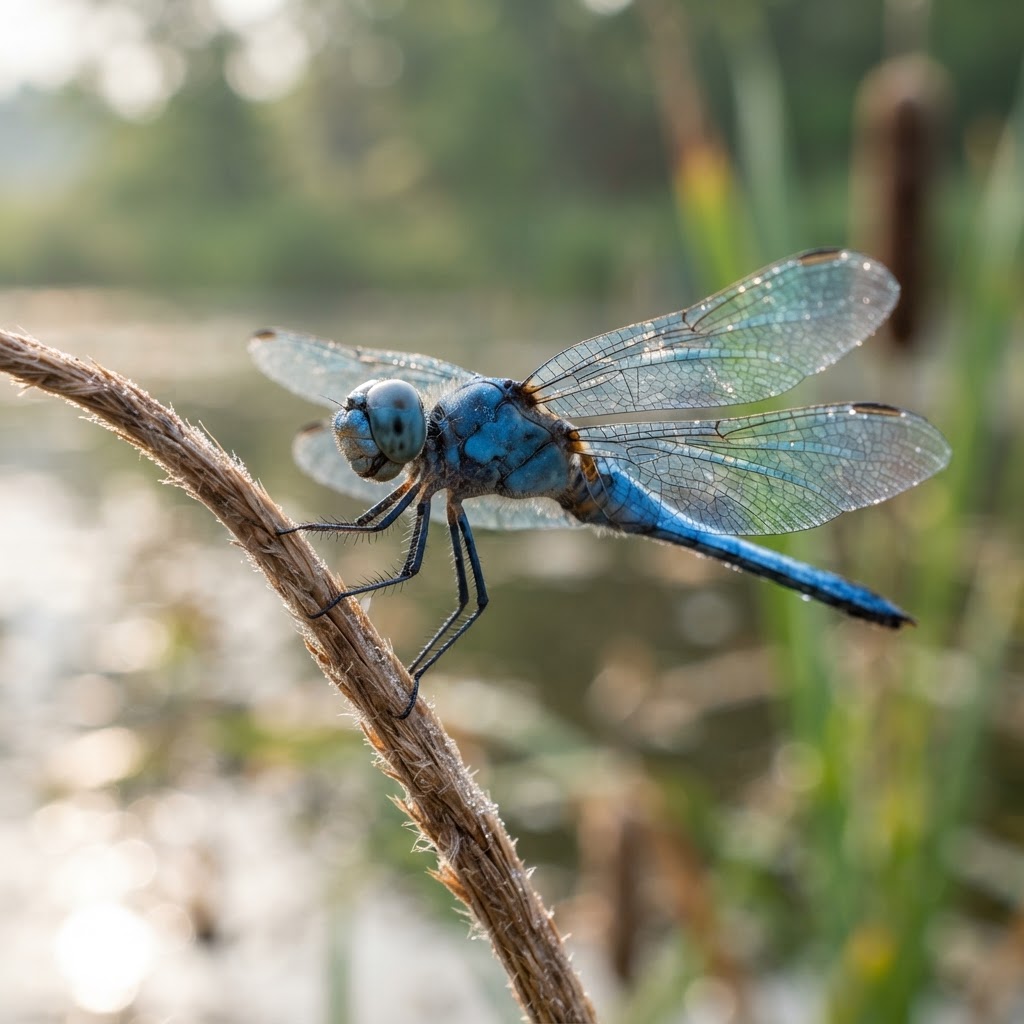
The lakes, flowages, and wetlands of Waupaca and Shawano counties — from the Wolf River chain to the potholes across rural New London and Clintonville — make Northeast Wisconsin prime dragonfly country. A single dragonfly patrolling your Waupaca or Shawano county yard can eat hundreds of mosquitoes a day, entirely free and entirely harmless.
In Northeast Wisconsin
The Wolf River chain lakes in Waupaca, the flowages at Navarino Wildlife Area, and the ponds at 1000 Islands Environmental Center in Kaukauna are all prime dragonfly territory from June through September.
A single dragonfly can eat hundreds of mosquitoes and flies in one day.
Dragonfly nymphs live in water and eat mosquito larvae before they ever become flying adults.
Adults visit flowers and move some pollen, supporting plant reproduction.
Despite a fierce appearance, dragonflies don't sting and rarely bite — and they don't carry disease.
Why Dragonflies Matter
Dragonflies and their close relatives the damselflies are ancient, expert aerial hunters. Both as aquatic nymphs and as flying adults, they prey on mosquitoes, flies, and other small insects. They need clean water to breed, so a healthy dragonfly population signals healthy wetlands, ponds, and streams — many of them created by beavers.
Common Dragonflies in Wisconsin
Here are the common Dragonflies found across Wisconsin, with the specific benefits each species provides to nature and to people.
Common Green Darner
Benefits to NatureWisconsin's large, migratory dragonfly; hunts mosquitoes over fields and water.
Benefits to HumansOne of the most visible mosquito controllers in the state; migrates like birds.
White-faced Meadowhawk
Benefits to NatureA small reddish dragonfly of Wisconsin meadows and wetlands; eats mosquitoes and small flies.
Benefits to HumansCommon late-summer mosquito and fly control in yards and fields.
Eastern Pondhawk
Benefits to NatureA bold, green dragonfly that patrols ponds and wetlands, eating mosquitoes and other insects.
Benefits to HumansAggressive mosquito hunter around backyard ponds and wetlands.
Twelve-spotted Skimmer
Benefits to NatureA striking black-and-white dragonfly of Wisconsin ponds and lakes; hunts mosquitoes and flies.
Benefits to HumansVisible, attractive mosquito controller at lakes and ponds.
Damselfly
Benefits to NatureA slender relative of the dragonfly that hunts small insects over water and wetlands.
Benefits to HumansHelps control mosquitoes and midges in wet areas; harmless and delicate.
Related Beneficial Species
These species do similar work in the Wisconsin landscape — explore how they fit together.
When They're Beneficial
- Hunting mosquitoes and flies over your yard, ponds, and fields
- Eating mosquito larvae in water before they become biting adults
- Indicating clean, healthy wetlands and ponds
- Pollinating flowers as they move between plants
Dragonflies Are Never a Pest
Dragonflies are entirely beneficial and never a household pest. They don't damage property, spread disease, or infest homes. If large numbers gather, it's because there's water and insects nearby — a sign of a healthy yard. The only problem is sometimes wanting more of them.
Learn About Wisconsin DragonfliesLiving Alongside Dragonflies
Add a Backyard Pond
A small, fish-free pond gives dragonflies a place to breed and hunt, boosting mosquito control.
Avoid Pesticides Near Water
Insecticides kill dragonfly nymphs along with mosquitoes. Skip broad sprays around ponds and wetlands.
Provide Perches
Tall plants and stakes give dragonflies a place to perch and watch for prey.
Protect Wetlands
Healthy wetlands and beaver ponds are dragonfly nurseries — protecting them protects your mosquito controllers.
When to Call a Specialist
Dragonflies are pure backyard allies and never need removal. The only reason to call is the opposite — wanting more of them — or a mosquito problem you'd like to reduce naturally.
- You have heavy mosquito pressure and want to encourage more dragonflies (add a pond)
- You're planning a backyard pond and want it to support dragonflies
- Dragonflies are clustering near standing water you would like to manage (reduce the water, not the dragonflies)
Dragonflies Quiz
How well do you know Wisconsin's dragonflies? Take this quick quiz to find out.