Pest Education
Center
We believe an informed homeowner is a pest-free homeowner. Identify what is bugging you, understand the season, and learn exactly how to handle it yourself — or when it is time to call in the pros.
A note from Adam: These DIY guides cover safe, common situations where you can absolutely handle things yourself. But some pests — stinging insects, wildlife, termites, bed bugs, and established infestations — are genuinely dangerous or stubborn to treat alone. We will always tell you straight: when it is a DIY job, and when it is not.
Browse Our Resources
Everything we have learned protecting Northeast Wisconsin homes — organized so you can find it fast.
Pest Glossary A–Z
Identify 30+ Wisconsin pests with signs, behavior, and prevention.
Stinging Insects
Yellow jackets, bald-faced hornets, and honeybees — behavior, nesting, winter habits, and when to call.
Pest Identifier
Not sure what you are looking at? Answer a few questions to narrow it down.
Seasonal Pest Calendar
See which pests are active in Northeast Wisconsin each month.
Pest Control Blog
In-depth guides, seasonal tips, and identification articles.
Pest Detail Pages
Deep dives on carpenter ants, mice, mosquitoes, wasps, and more.
Safety & Sustainability
How we protect your family, pets, and the environment.
Eco-Friendly Program
All-natural, plant-based pest control options for your home.
Emergency Safety Kit
What to do right now if you have a stinging insect or wildlife emergency.
Interactive Pest Quiz
Get a personalized action plan based on your pest and situation.
Integrated Pest Management
The science-based, low-chemical approach behind every service.
Treatment Methods
Exactly how each treatment works — perimeter sprays, dust, mosquito misting, baiting, exclusion & wasp removal.
Yellow Jackets, Hornets, Wasps & Bees
"Is that a bee or a yellow jacket?" It matters — some are aggressive pests that need professional removal, others are pollinators you should protect. Open any profile for behavior, nesting, winter habits, and when to call.
 Representative photo
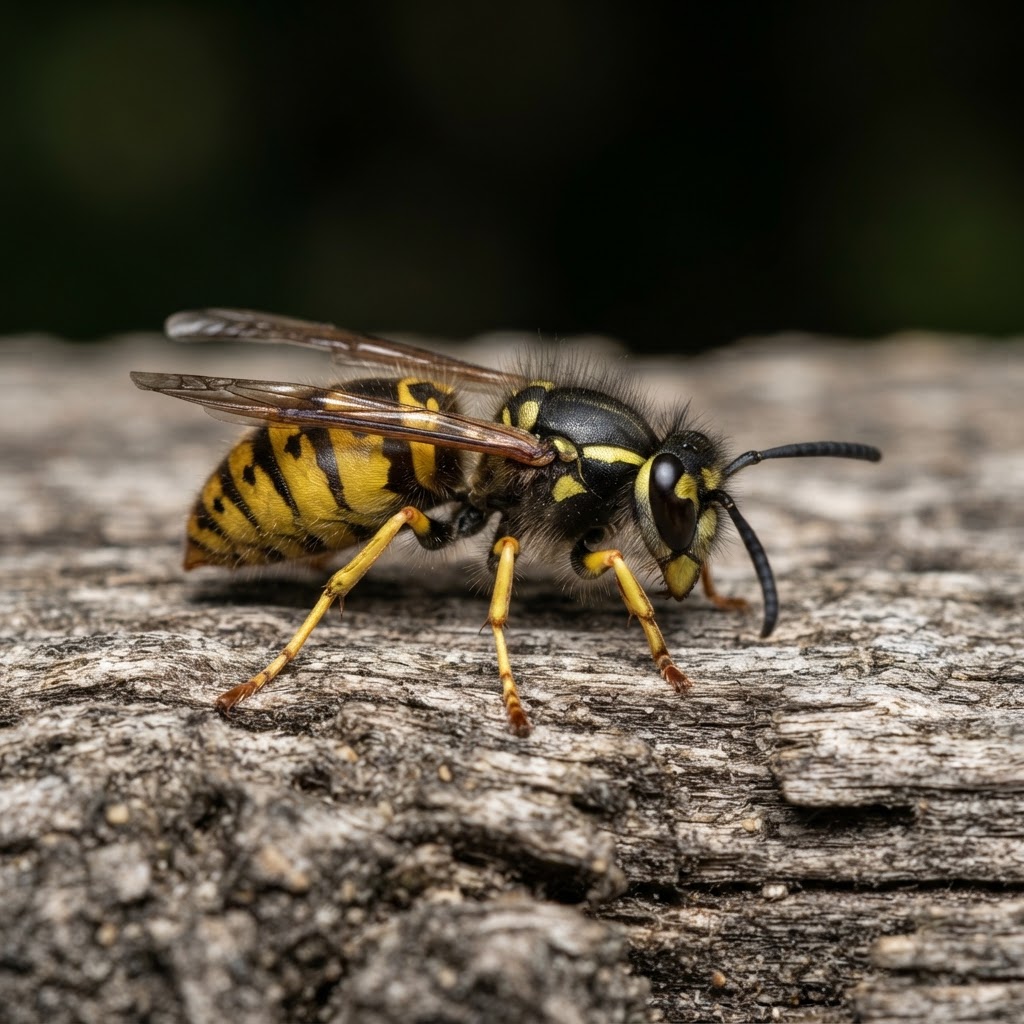
Yellow Jackets
The insect behind most "bee stings" in Wisconsin. Aggressive, can sting repeatedly, and nests in the ground, in walls, and under eaves.
View Profile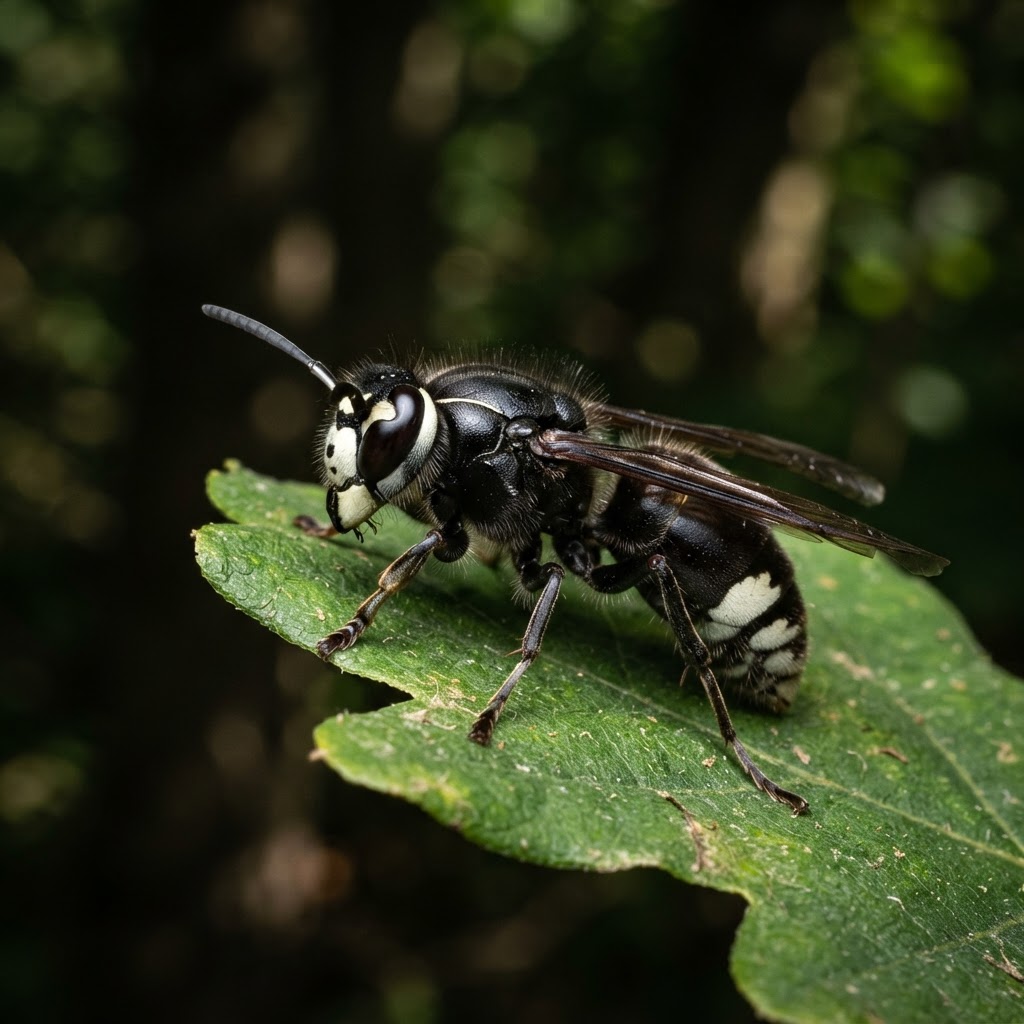 Representative photo
Bald-faced Hornets
Black-and-white "hornets" that build large gray football-shaped paper nests in trees and on buildings — extremely territorial when the nest is threatened.
View Profile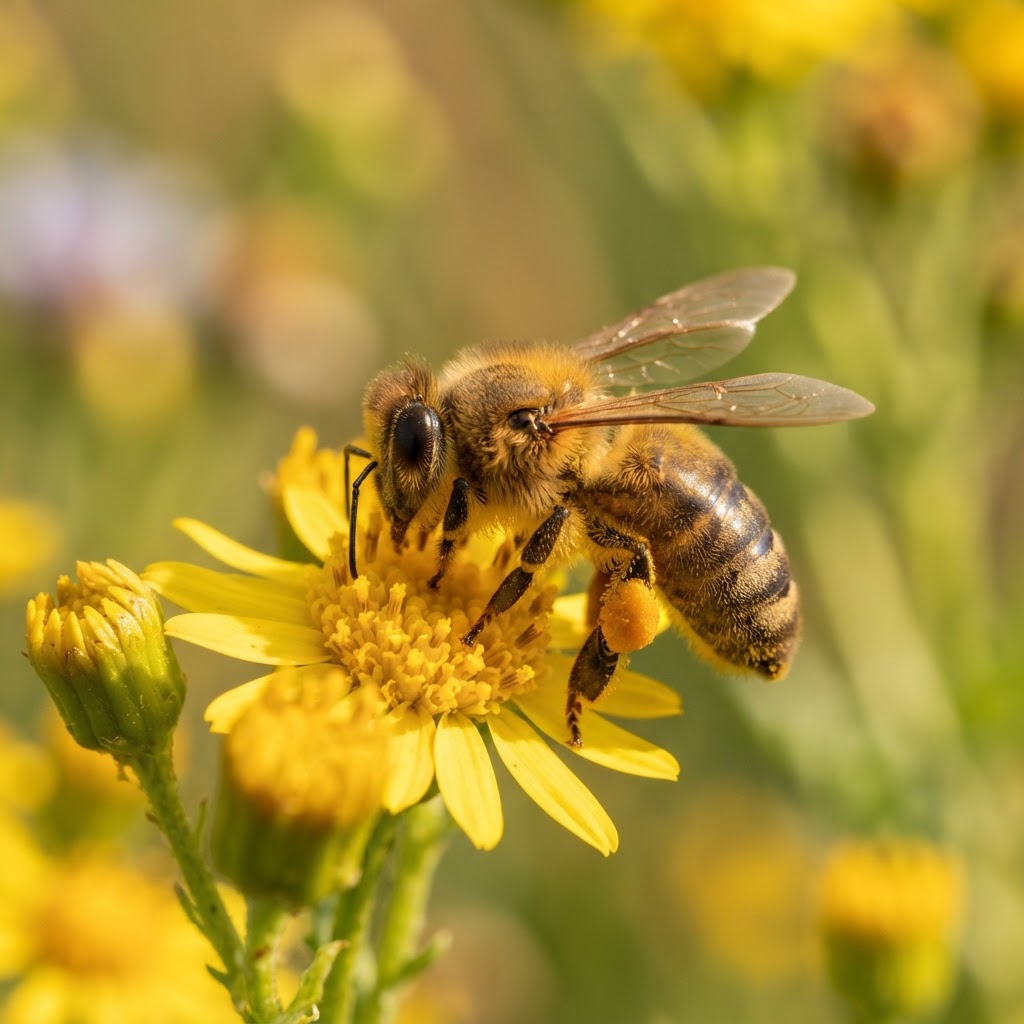 Representative photo
Honeybees
Not a pest. Honeybees pollinate Wisconsin's cranberries, apples, and cherries, survive winter as a colony, and should be relocated — never exterminated.
View Profile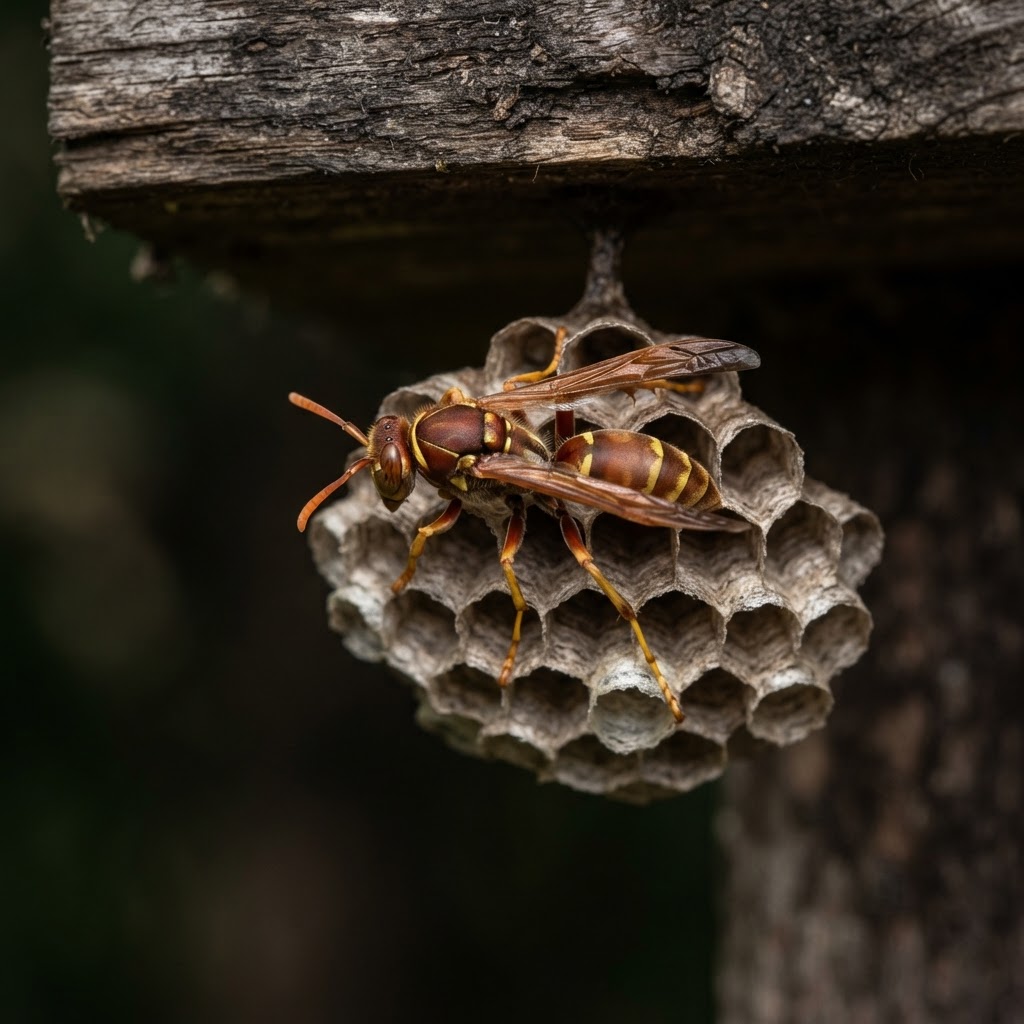 Representative photo
Paper Wasps
Long-legged wasps that build open umbrella nests under eaves and deck rails. Less aggressive than yellow jackets but will defend a nest.
View Profile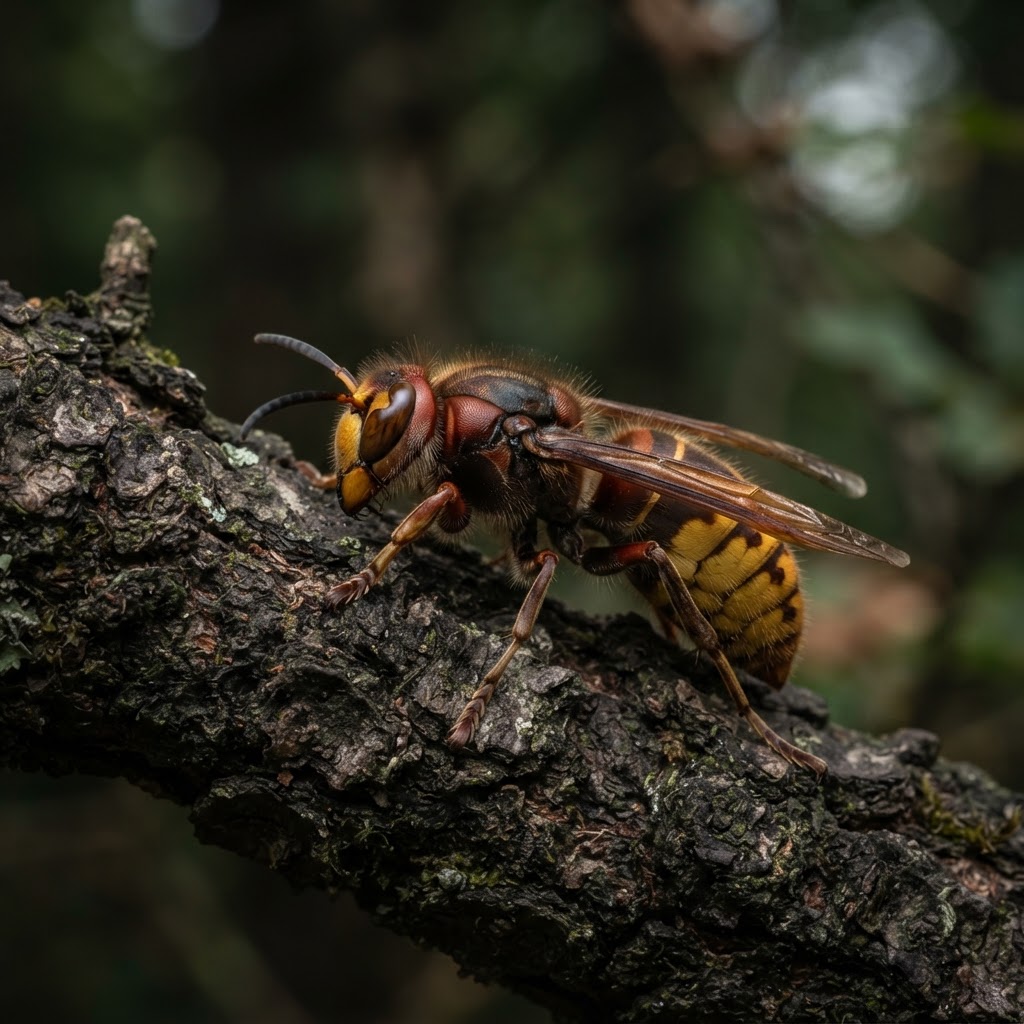 Representative photo
European Hornets
Wisconsin's largest true hornet. Nests in tree cavities and wall voids and is unusual in that it stays active after dark, drawn to porch lights.
View Profile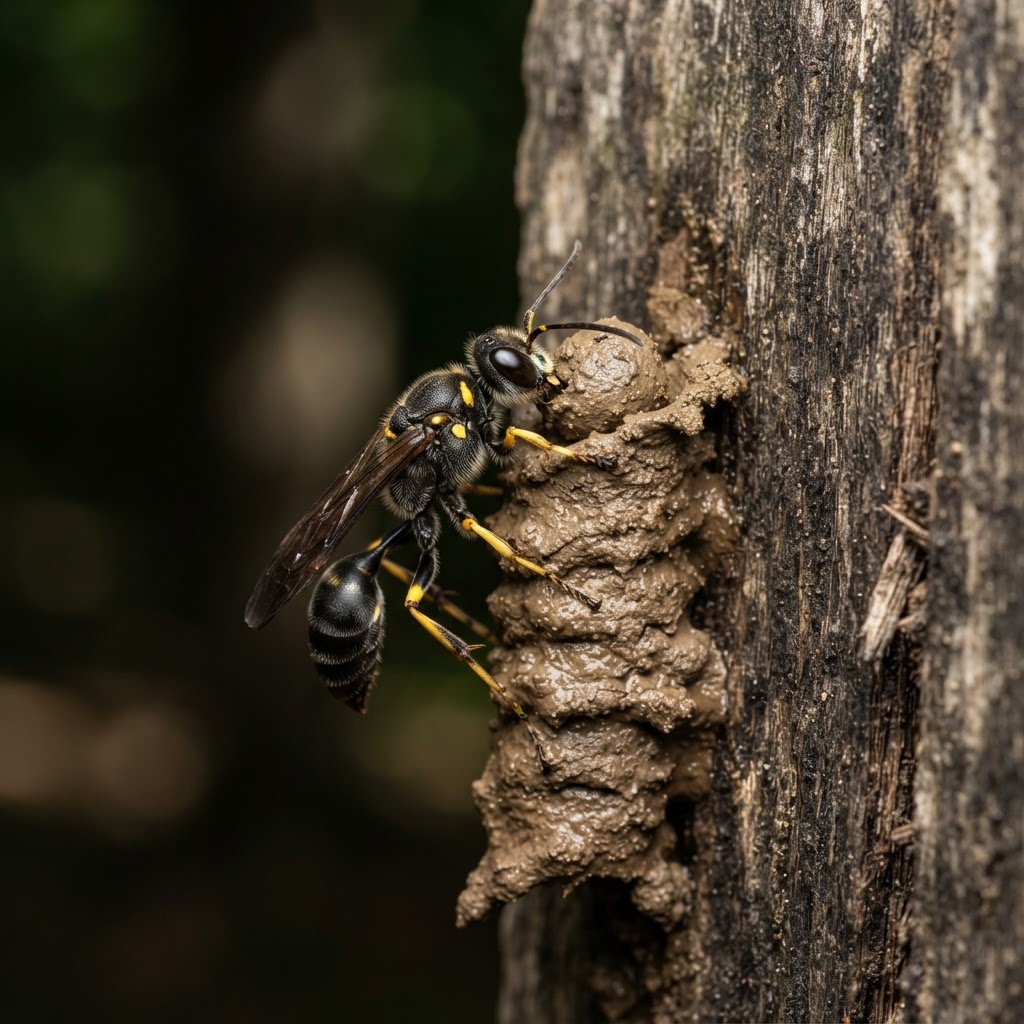 Representative photo
Mud Daubers
Non-aggressive solitary wasps that build mud tubes on walls and under eaves. They hunt spiders and almost never sting people.
View Profile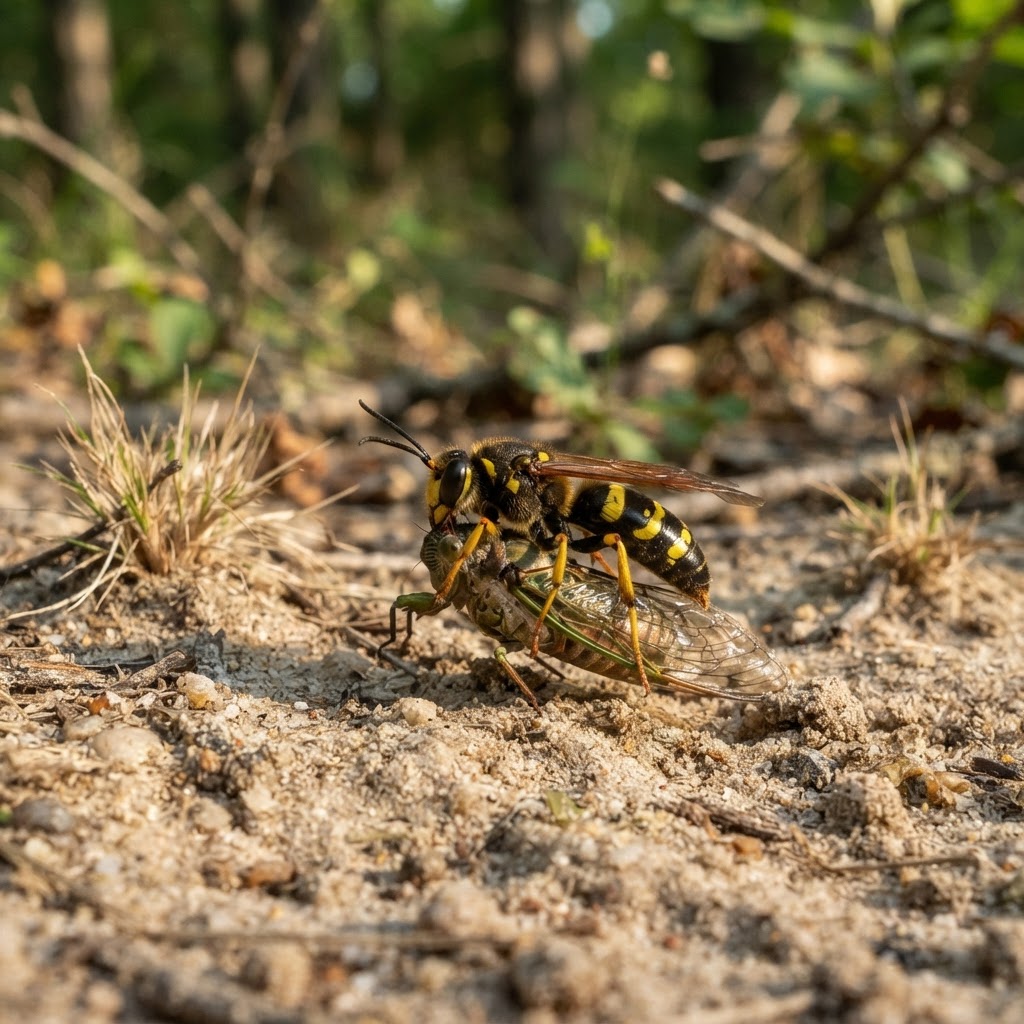 Representative photo
Cicada Killers
Large, intimidating solitary wasps that burrow in sandy soil and hunt cicadas. Males cannot sting and females rarely do — beneficial.
View Profile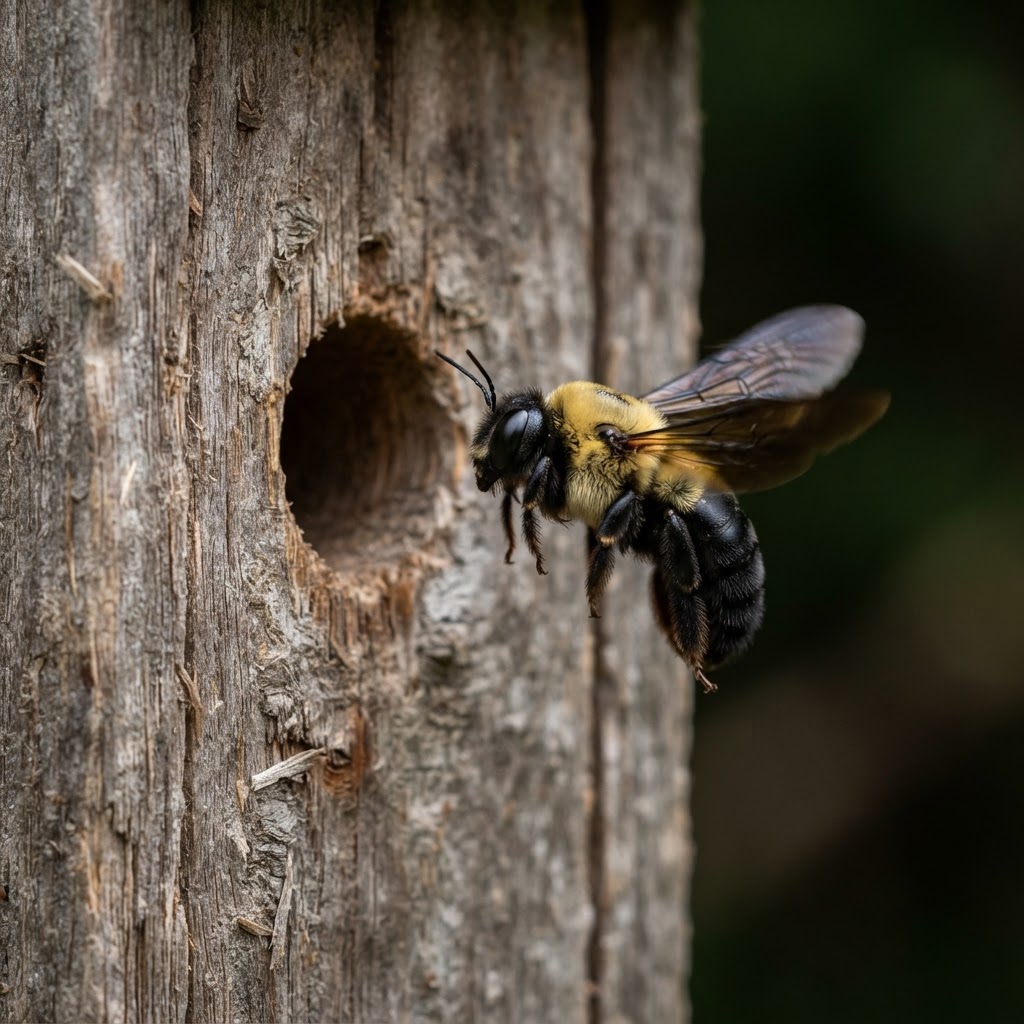 Representative photo
Carpenter Bees
Fuzzy bees that drill perfectly round holes in unpainted wood to lay eggs. They pollinate flowers but can damage decks, siding, and trim.
View Profile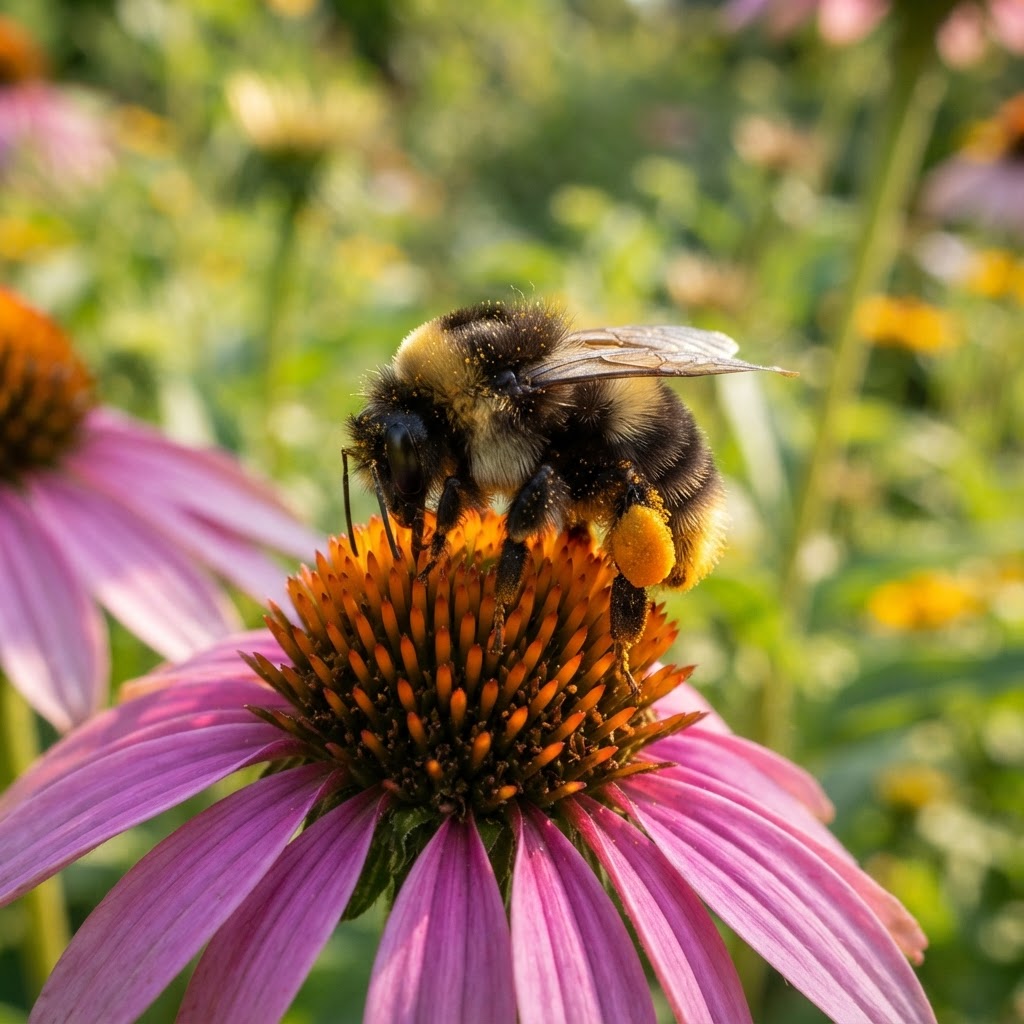 Representative photo
Bumble Bees
Large, gentle native bees that buzz-pollinate tomatoes and cranberries. Only the queen survives winter. Protect and relocate, don't exterminate.
View ProfileDIY Treatment Guides
Step-by-step instructions for common, safe-to-handle pests. Click any card to expand the full guide, see exactly when it is time to call us instead, and tap the download icon to save a printable PDF checklist for your home inspection.
DIY vs. Call a Pro
Some pests you can absolutely handle yourself. Others are genuinely dangerous, stubborn, or legally protected to treat alone. Here is the honest line — and when in doubt, just call us.
Safe to DIY
Common, low-risk situations
- Occasional sugar or odorous house ants (a few scouts on a trail)
- Fruit flies or drain flies from a single, accessible drain
- House spiders and their webs in corners, basements, and garages
- A few boxelder bugs or lady beetles on a sunny exterior wall
- Light silverfish activity confined to one bathroom or basement
- Minor mouse activity — a couple of droppings, no nesting sounds
- Mosquito reduction by emptying standing water and trimming grass
Time to Call a Pro
Dangerous, stubborn, or protected
- Stinging insect nests — wasps, hornets, and yellow jackets (especially in walls or underground)
- Wildlife inside — raccoons, squirrels, skunks, and bats
- Termites or any wood-destroying insect activity
- Bed bugs in any stage
- German cockroaches (one visible roach often means many more)
- Carpenter ants — sawdust-like frass or large black ants indoors
- Established mouse or rat infestations with daily activity
- Anything nesting in walls, attics, or structural wood
Not sure which side you fall on? We will tell you straight — no charge.
920-505-0962What to Expect During Treatment
If you have never had a professional treatment before, here is exactly how a Mid State visit goes — start to finish.
Free Inspection & ID
We walk through your home or business, correctly identify the pest, and locate the entry points, food, and moisture sources drawing them in. No guesswork.
Custom Treatment Plan
You get an IPM-based plan tailored to your pest, property, and family. We explain exactly what we will use, where, and why — before we start.
Targeted Application
We apply products only where needed — cracks, crevices, perimeters, or specialized treatments. No unnecessary broadcast spraying inside your living space.
Exclusion & Prevention
We seal entry points where practical and give you a clear, written list of sanitation and habitat fixes that keep the pest from coming back.
Follow-Up & Guarantee
We schedule a recheck when needed and stand behind our work. For ongoing protection, we offer seasonal recurring service so problems never return.
Safety for Kids, Pets & Pollinators
Effective pest control should never come at the expense of the people, animals, and beneficial insects you care about. Here is how we protect them.
Children
- We use the lowest-toxicity products labeled for residential use and apply them only where needed.
- Clear re-entry times are communicated before we start — keep kids away until surfaces are dry.
- Products are stored locked and never left unattended; bait stations are tamper-resistant.
Pets
- Pet-safe product selection is standard; ask and we will tailor for sensitive animals.
- Aquariums and reptile enclosures are covered during treatment; airborne exposure is minimized.
- Re-entry is safe once applied products have dried — we will give you the exact time.
Pollinators
- We avoid treating blooming plants and apply during low pollinator activity windows.
- Applications are targeted to cracks, crevices, and perimeters — not broadcast over flowers.
- We follow pollinator-friendly IPM and can advise on protecting backyard bee habitat.
Pest Myths vs. Facts
Bad advice spreads faster than ants. Here are the most common pest myths we hear — and the science-backed truth behind each.
MythCheese is the best bait for a mousetrap.
FactMice actually prefer sweet and nutty foods. Peanut butter, chocolate, or a dab of bacon grease catches far more mice than cheese ever did.
MythA cat will solve my mouse problem.
FactCats catch a few, but mice hide and nest inside walls where cats cannot reach them. The real fix is sealing entry points and trapping — not relying on a mouser.
MythPouring bleach down the drain kills drain flies.
FactBleach does not break down the gelatinous organic film drain fly larvae feed on. An enzyme-based drain cleaner plus physical scrubbing is what actually works.
MythUltrasonic repellents drive pests out of the house.
FactStudies show little lasting effect. Pests quickly habituate to the sound, and it does not reach into wall voids where most nests hide.
MythSeeing one roach or bed bug means there is only one.
FactFor German cockroaches and bed bugs, one visible insect usually signals a hidden population. These pests are nocturnal and stay hidden until numbers grow.
MythBug bombs and foggers work for any infestation.
FactFoggers rarely penetrate cracks, crevices, and wall voids where pests live. They can drive pests deeper and leave residue on surfaces without solving the source.
MythTermites only attack old, rotten homes.
FactTermites will feed on any wood they can reach — including the framing of brand-new homes. Age and condition matter far less than access and soil contact.
MythBees and wasps are the same, and both are aggressive.
FactBees are essential pollinators and usually docile unless threatened. Yellow jackets and hornets are the aggressive, repeat stingers behind most attacks.
When to Call a Pro
Some problems are not DIY. For your safety and effectiveness, call us right away for any of these.
Stinging Insect Nests
Yellow jackets, hornets, and wasps can sting repeatedly and swarm. Never treat a large nest yourself — especially in walls or underground.
Wildlife Inside
Raccoons, squirrels, skunks, and bats carry disease and laws protect how they are handled. We trap and exclude them humanely.
Termite Activity
Mud tubes, hollow wood, or spring swarmers mean termites. DIY never works — the damage quietly continues. Call immediately.
Bed Bugs
Bed bugs hide deep in mattress seams and wall voids and resist most consumer products. Professional heat and targeted treatment is required.
German Cockroaches
One female can produce 30,000 offspring in a year. By the time you see them, the colony is large. Pro treatment is the only fix.
Carpenter Ants
Sawdust-like frass or large black ants indoors mean a satellite nest in your wood. They cause structural damage — do not wait.
Still Have Questions?
Not sure whether your situation is DIY or pro? Send us a message or call — we are happy to talk it through with no pressure and no charge.
Get a Free
Quote Today
Contact Info
"We take pests personally. When you call Mid State, you're getting direct service from someone who takes pride in protecting your home and business."